
Making Chai from a Cosmic Ocean
There’s not much good about a pandemic, but if you are looking for a silver lining to get through it with sanity intact, sometimes it is no further away than outside the window, or in the garden.
Working from home offers benefits. No daily commute is one. Having access to the kitchen at lunch time is another. All the favourite snacks available – this is both an advantage and a drawback! Being able to get some chores done at breaktime. Some people like that they can work in pajamas. I did try this one day, but it felt very strange. And now that it is summer, it is nice to get outside during breaks and lunch. Fresh air and sunshine does wonders for the morale.
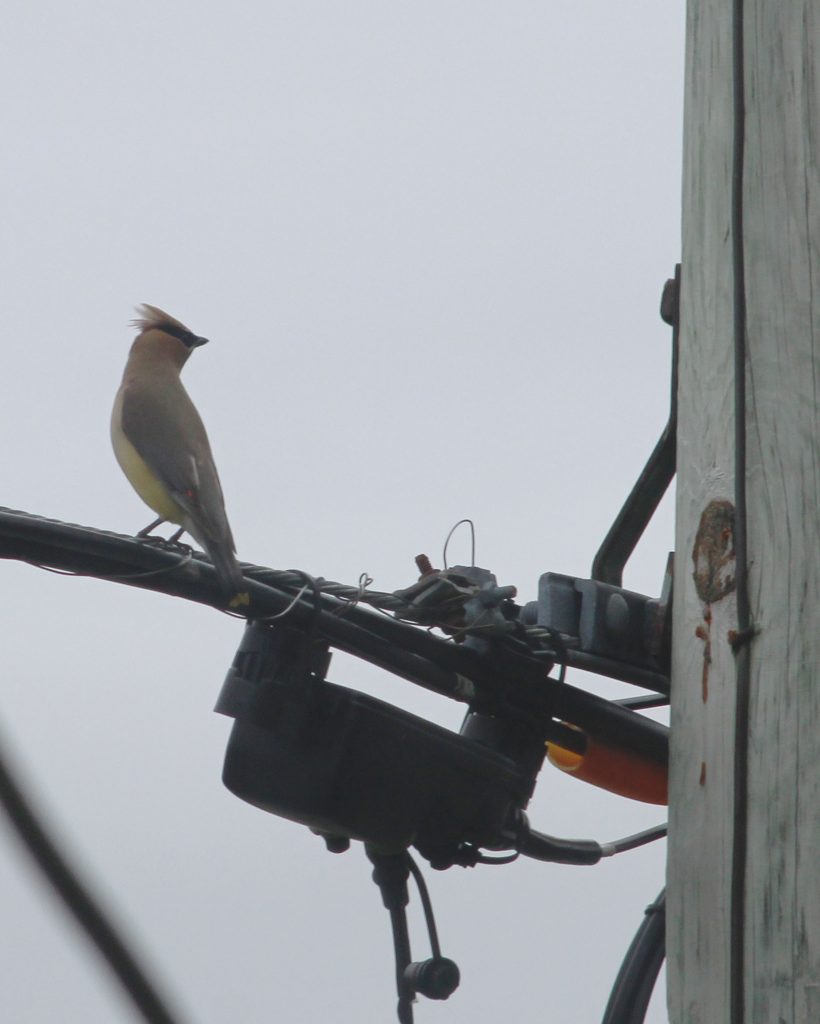
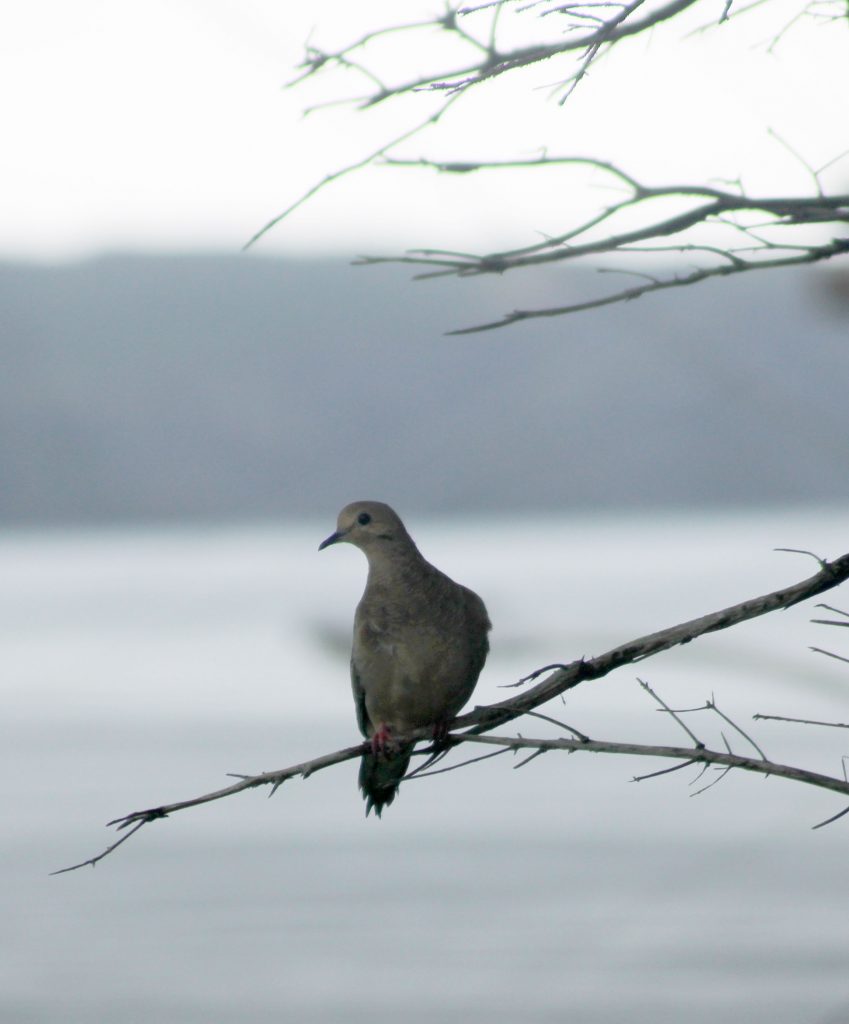
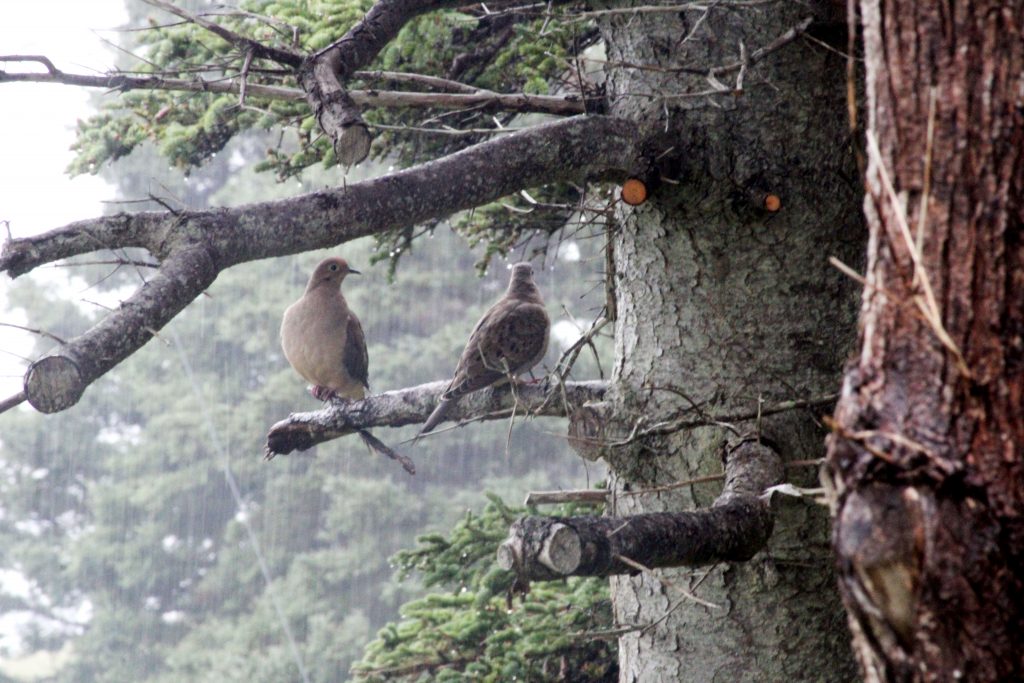
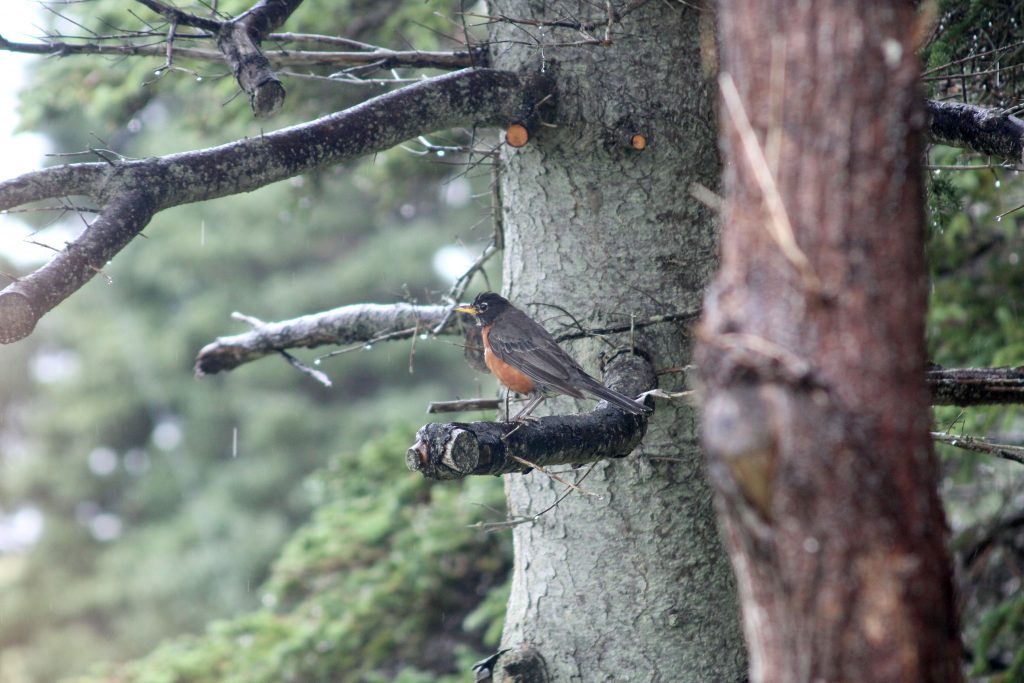
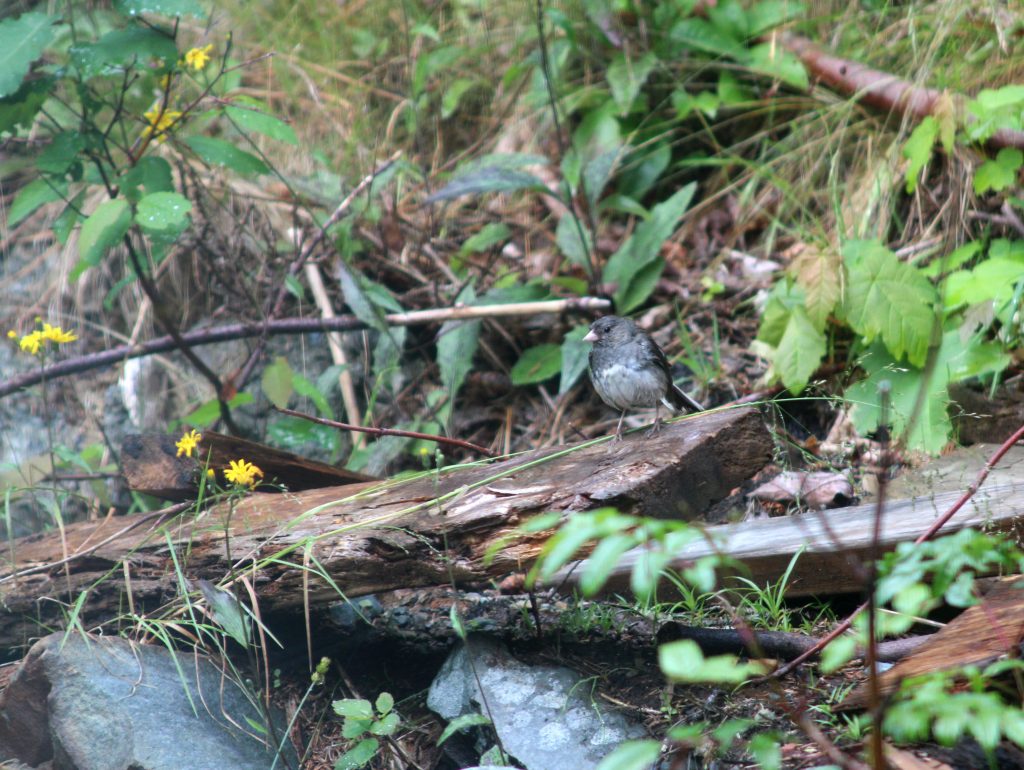
From my home office window I am often treated to brief glimpses of wildlife. The birds perch in the trees and on the wires, or scrabble along in the grass to find worms to eat. There is a small red squirrel who has gotten used to my camera, and is more than happy to pose. As long as there is a pane of glass between us. The Waxwing is a rare visitor, but one of the prettiest.
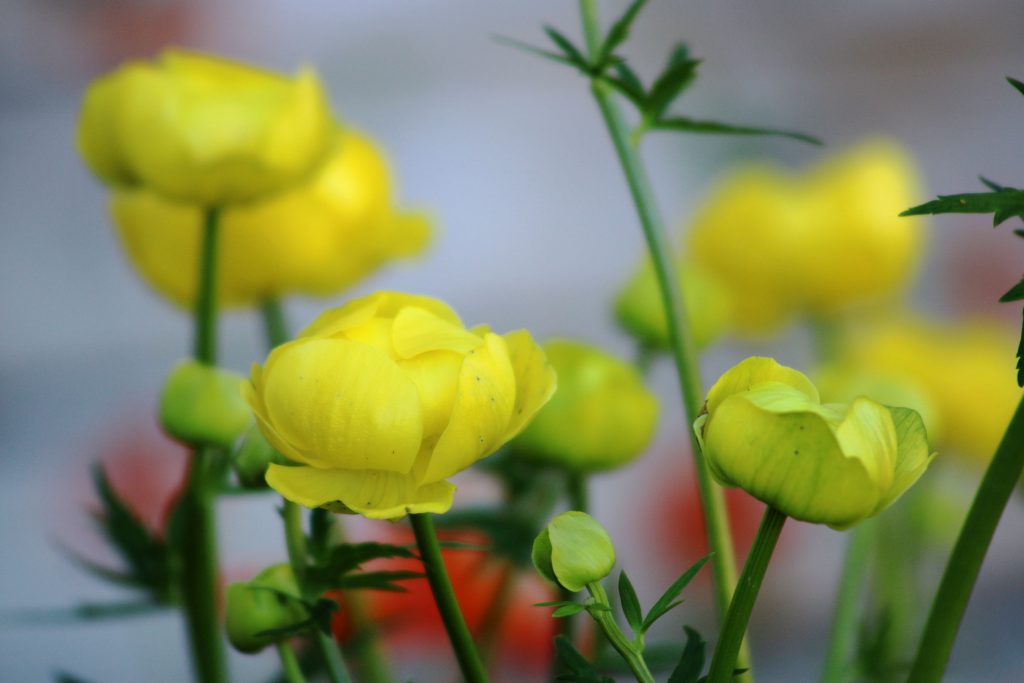
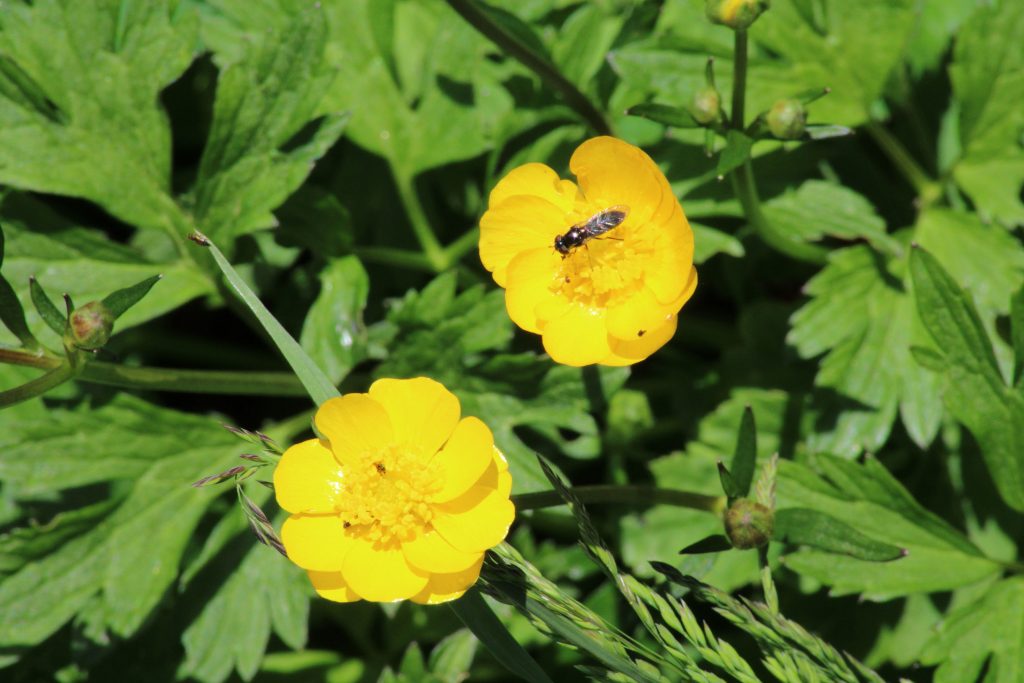
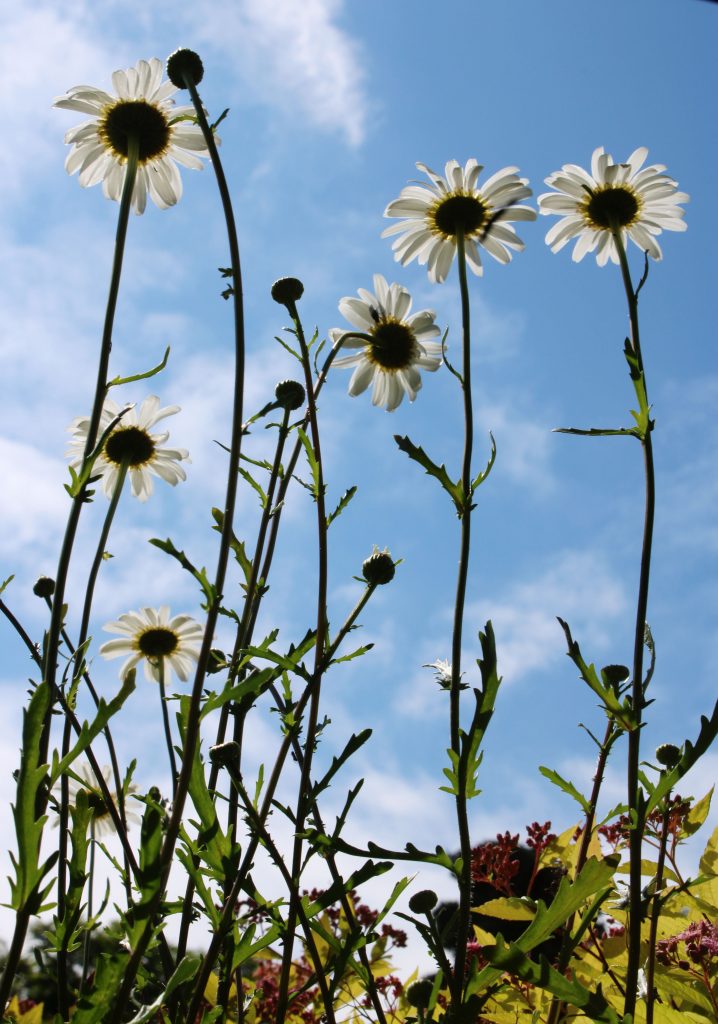
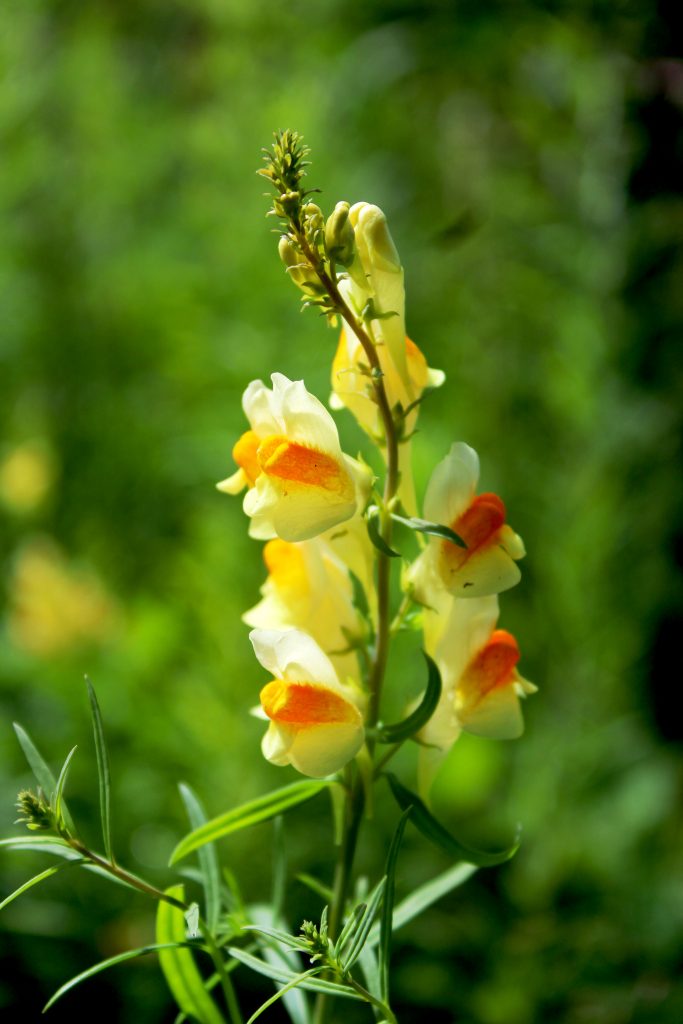
In the late afternoon, sunshine envelops the world with a warm glow, and illuminates petals of wild daisies so they shimmer like stars against the blue sky. The yellow Butter and Eggs become richer and more vibrant as the shadows begin to lengthen and stretch toward the east.
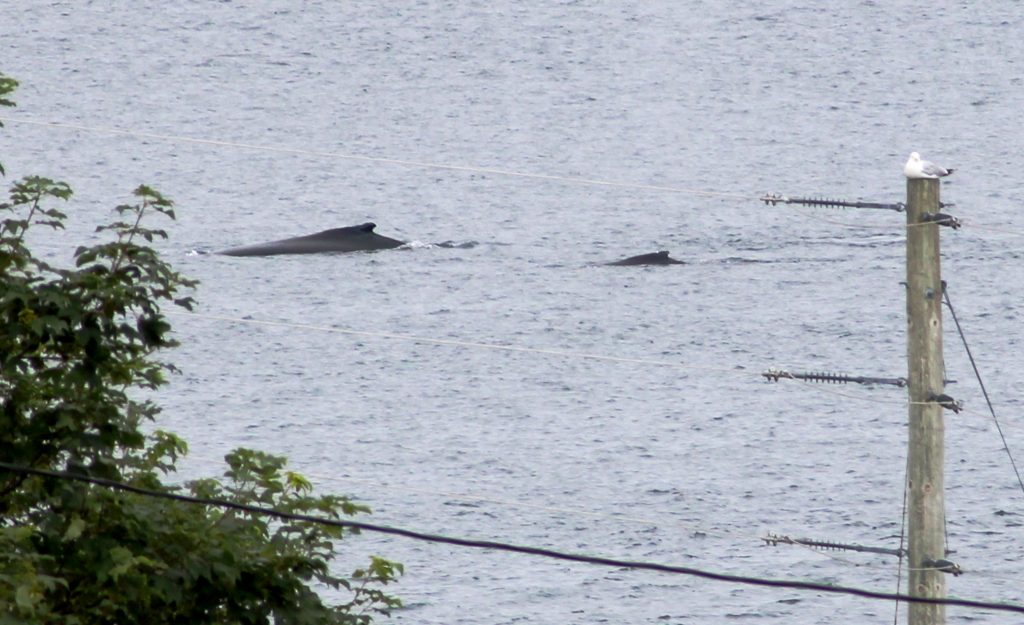
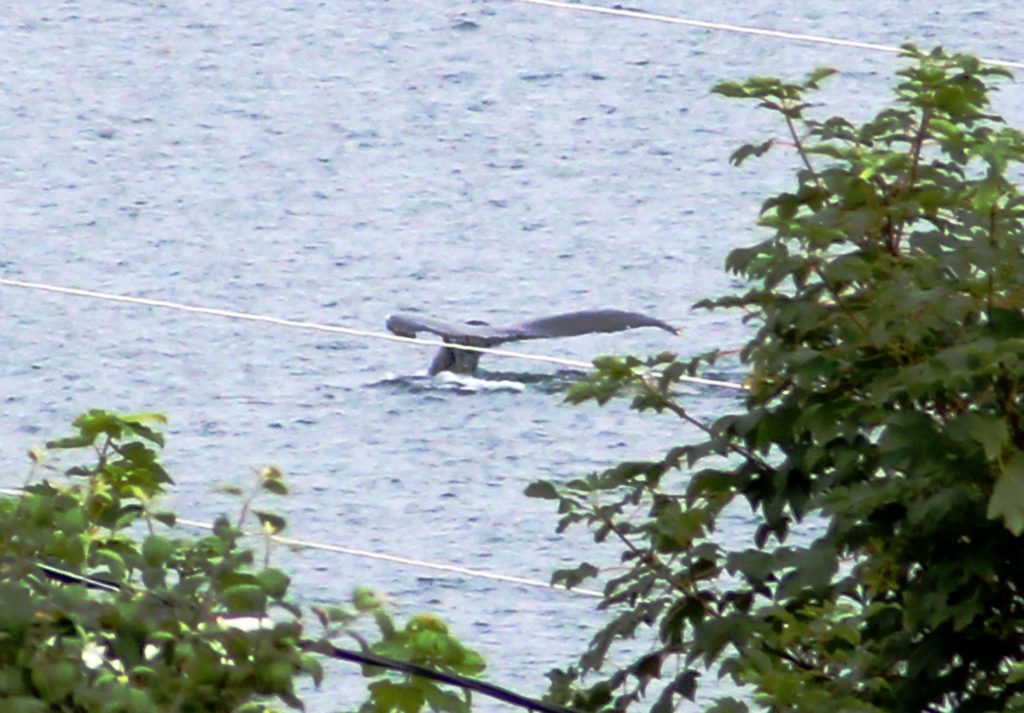
My best new memory is the surprise of looking up through my window after a phone call to spy whales crossing the tickle at the end of my street. Their blow rising up as a fleeting mist above the water, their dark backs breaching the slate grey water and curving as an arc, before sinking back into their own world. This particular day it seemed like a family of whales was travelling down the bay towards Holyrood, moving slowly after their food. Later in the day they headed out again, towards open ocean.
Those brief moments of fleeting awe arrive as unexpected gifts. Perhaps that is why they are so memorable. That’s not to say that the rest of life is not special, or that we don’t appreciate the rituals that create warm memories of the people we share them with. Yet there is growth in stepping outside these routines, to learn how to suspend time and become aware of how much there is to this world around us.
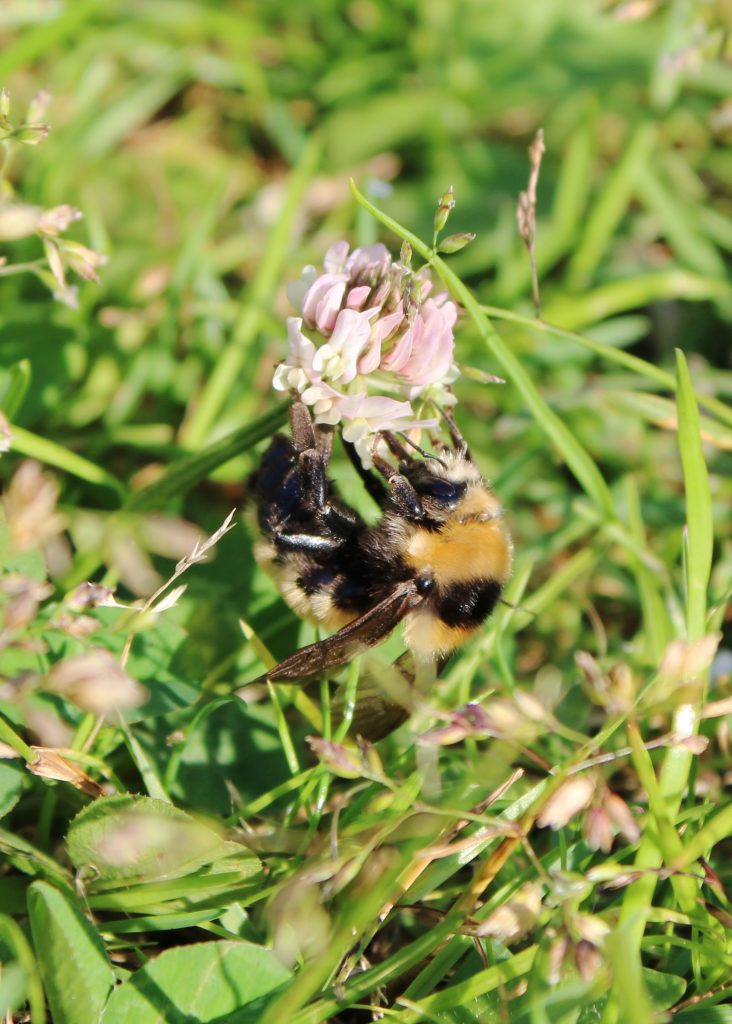
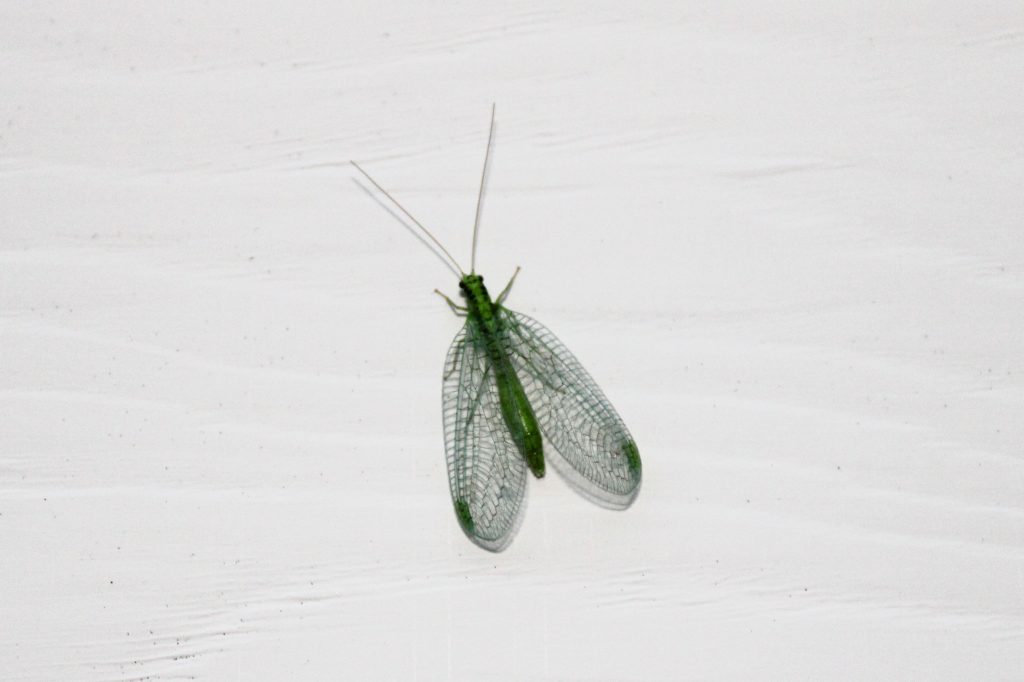
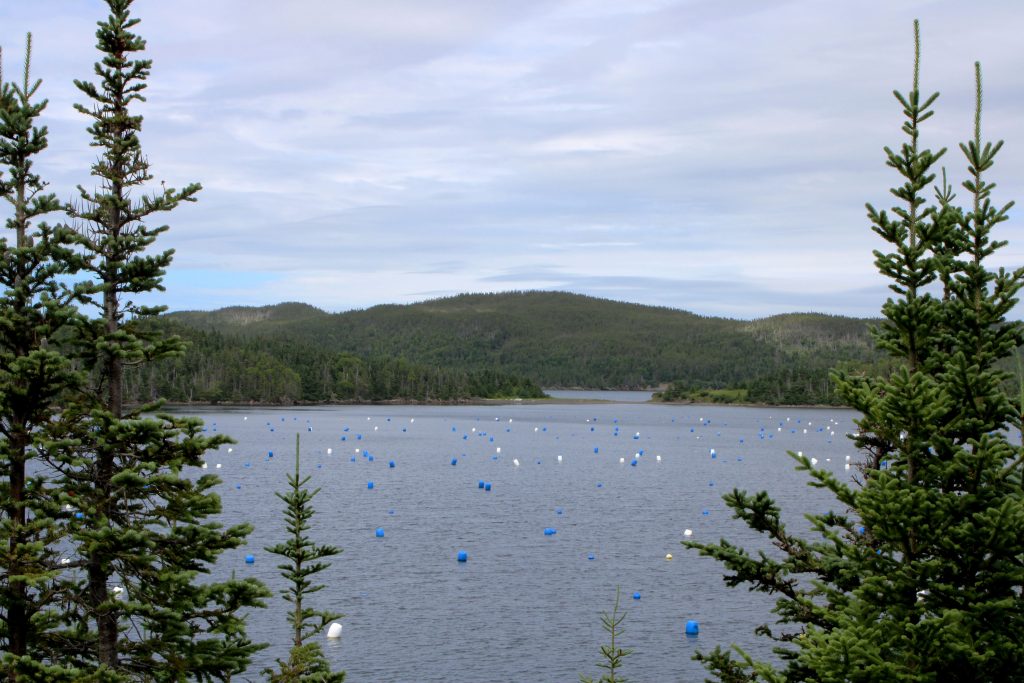
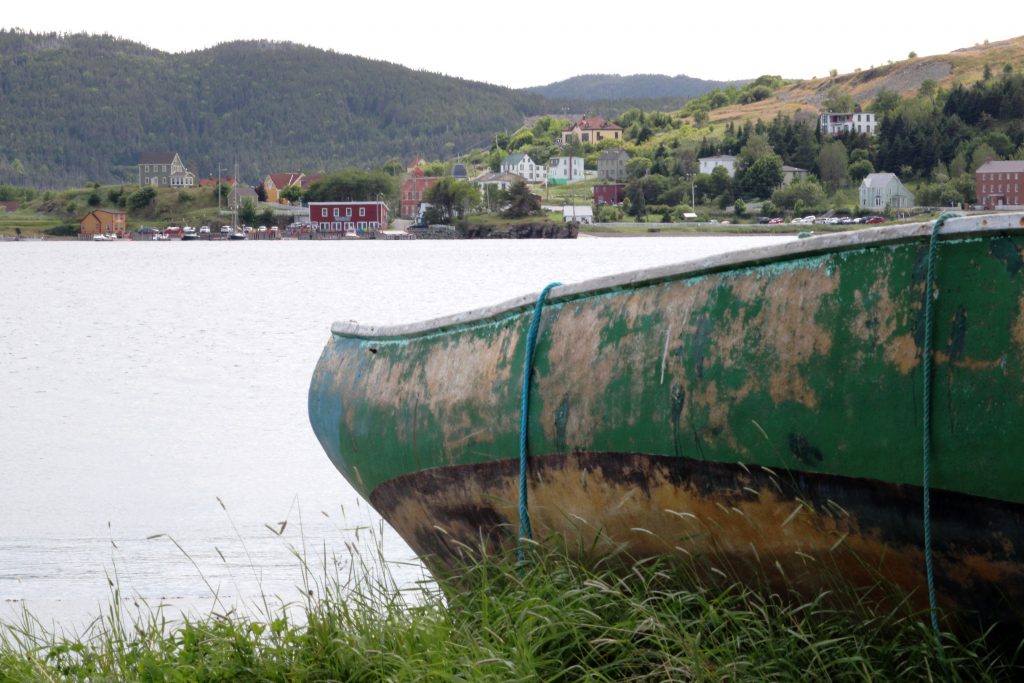
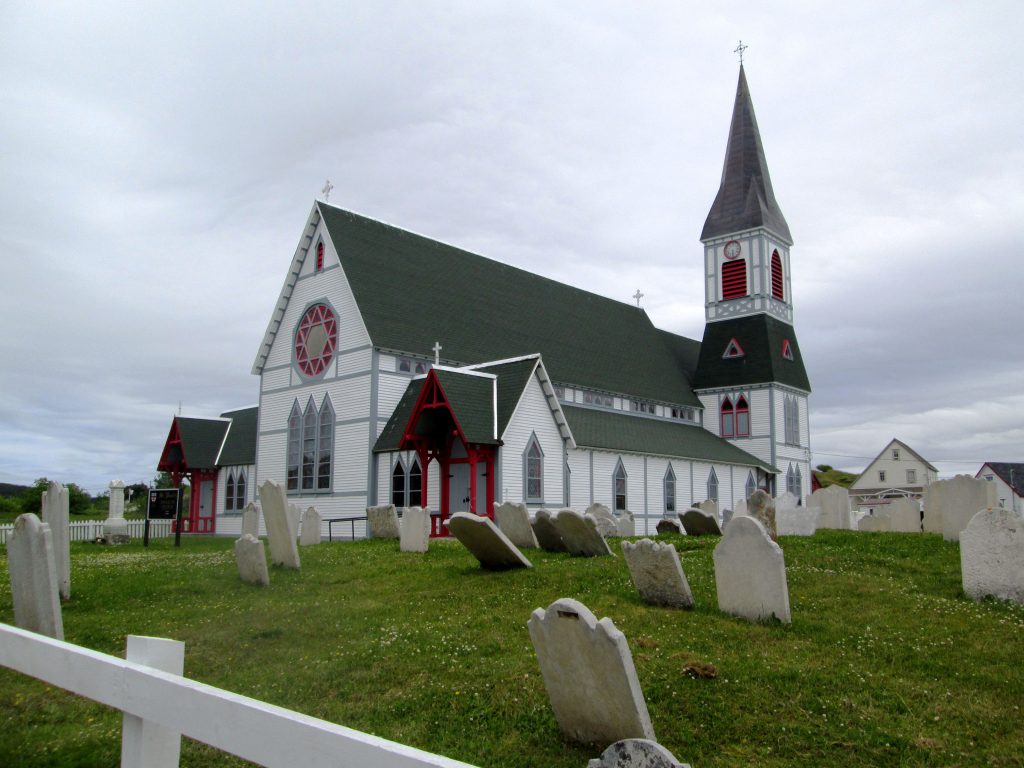
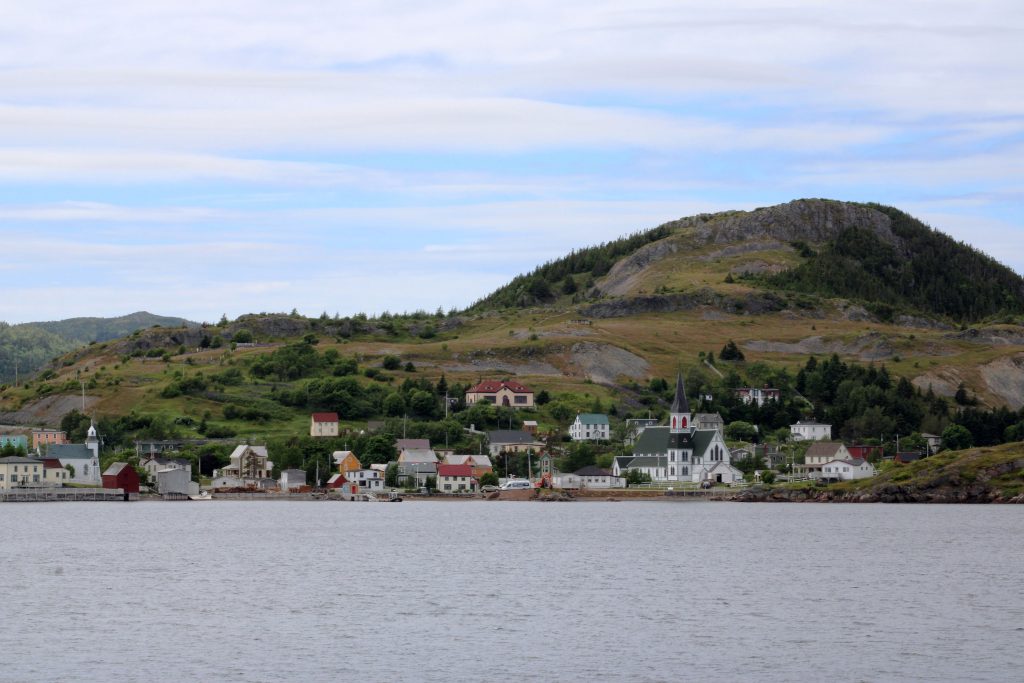
Tour of the Bonavista peninsula, following highway 230 up the eastern coast to the town of Bonavista before looping down the western coast along highway 235 to return to the junction at Southern Bay, and heading back to the Trans-Canada Highway.
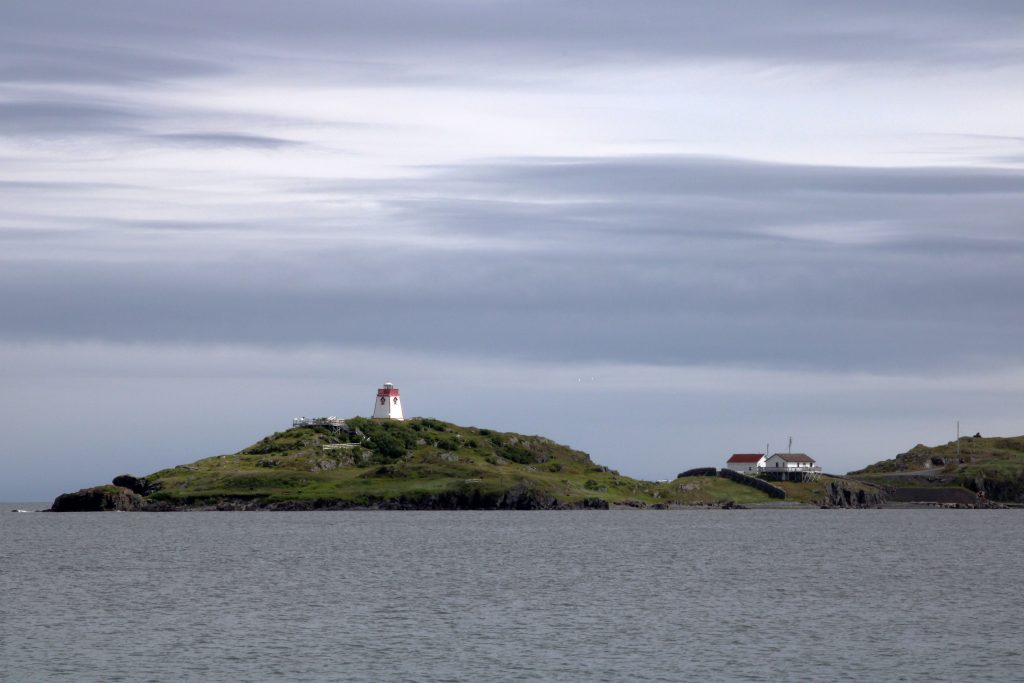
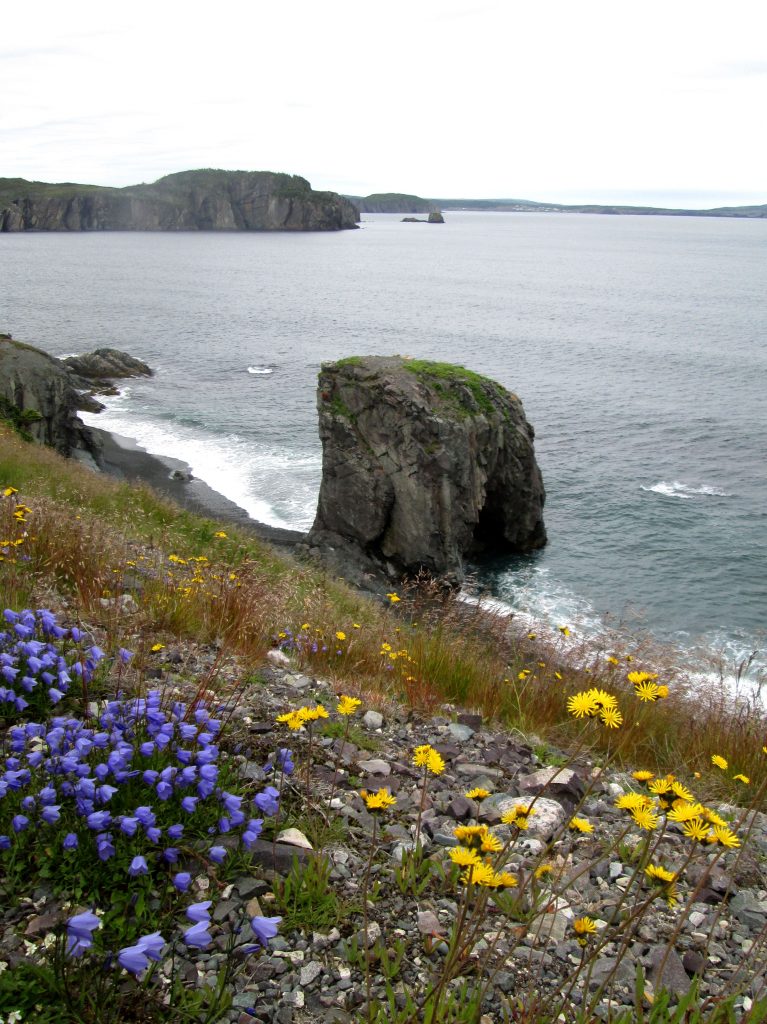
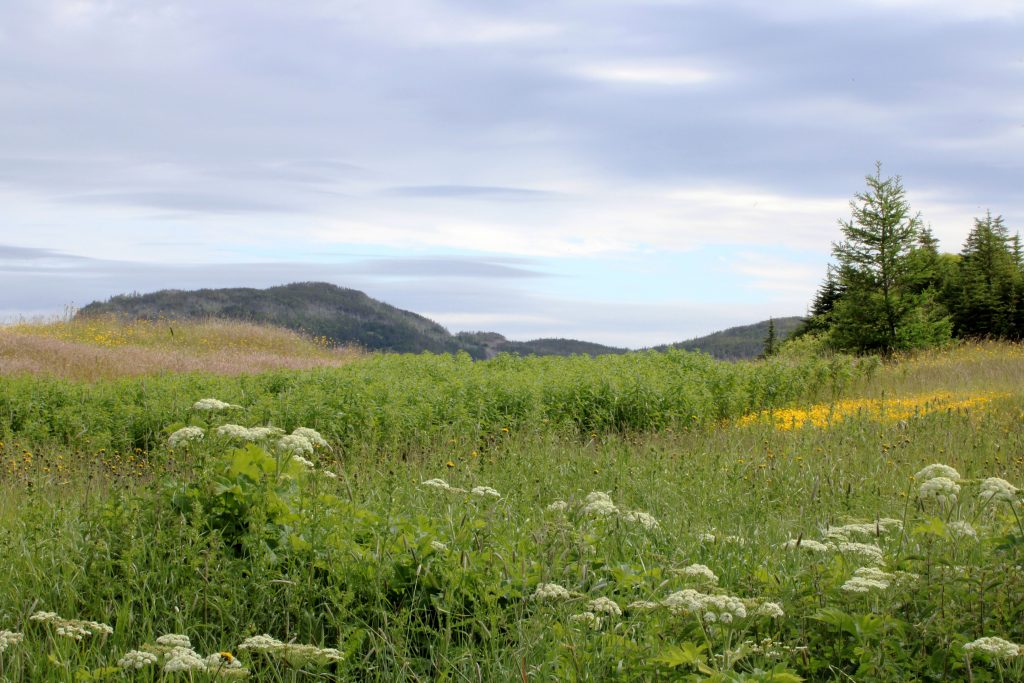
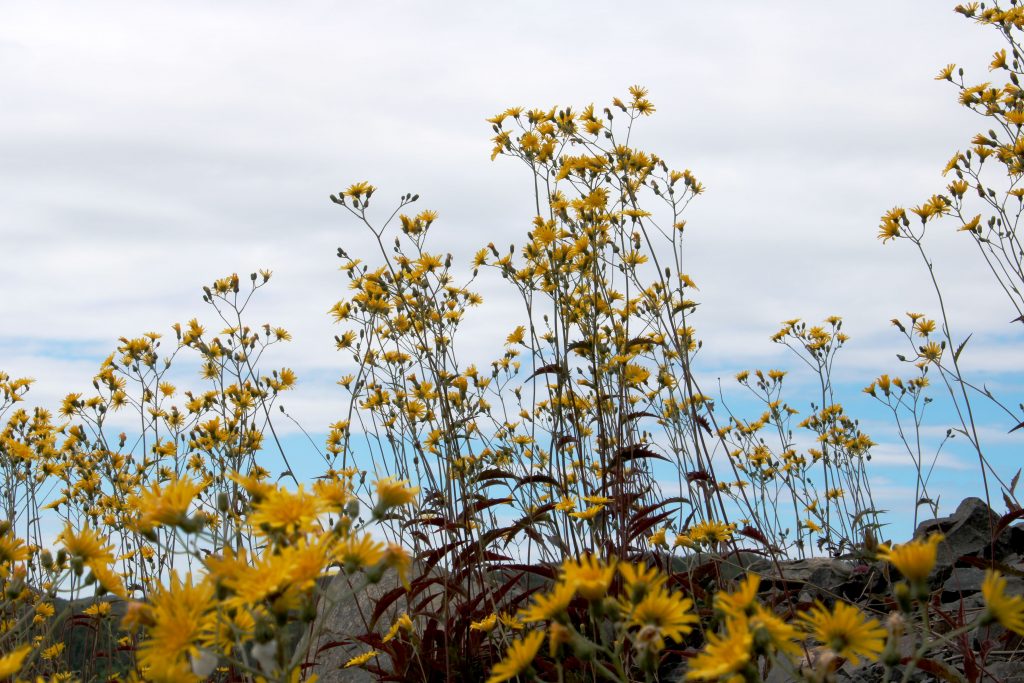
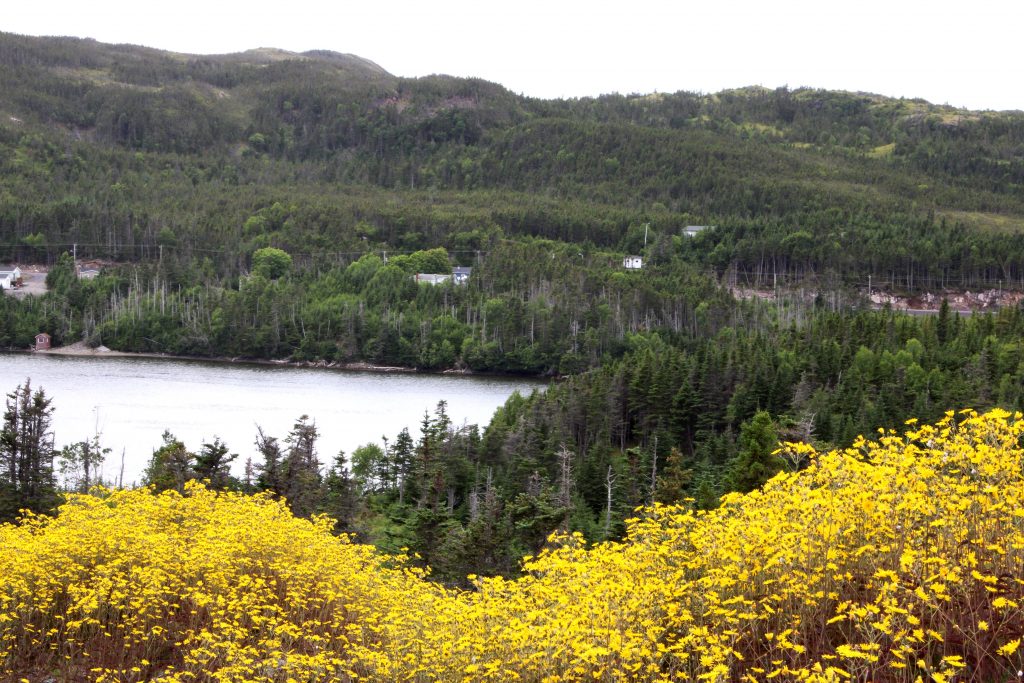
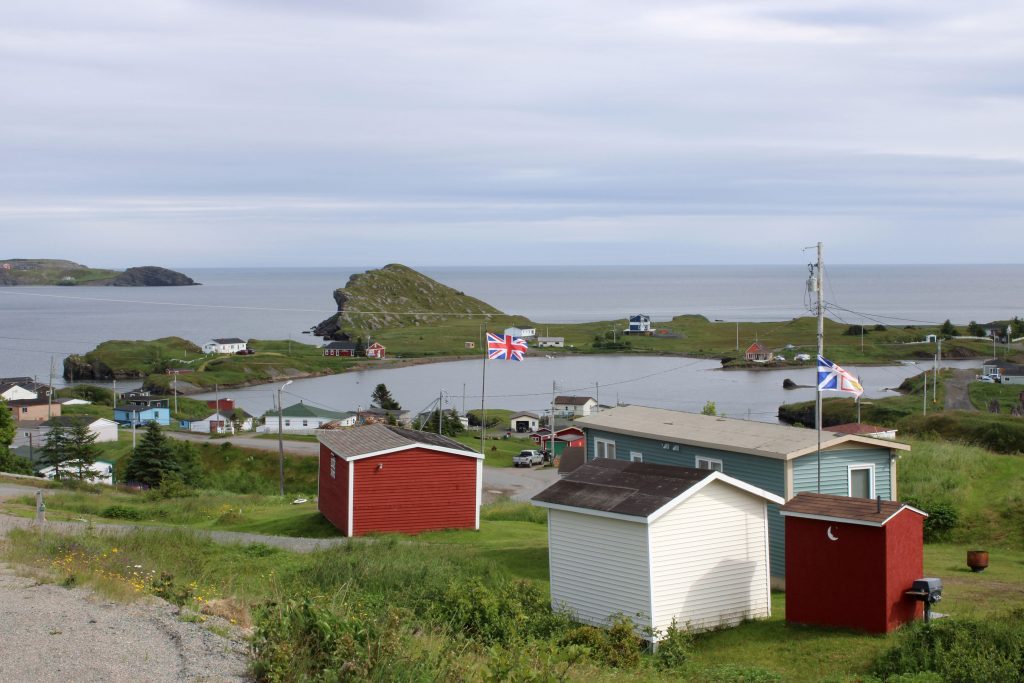
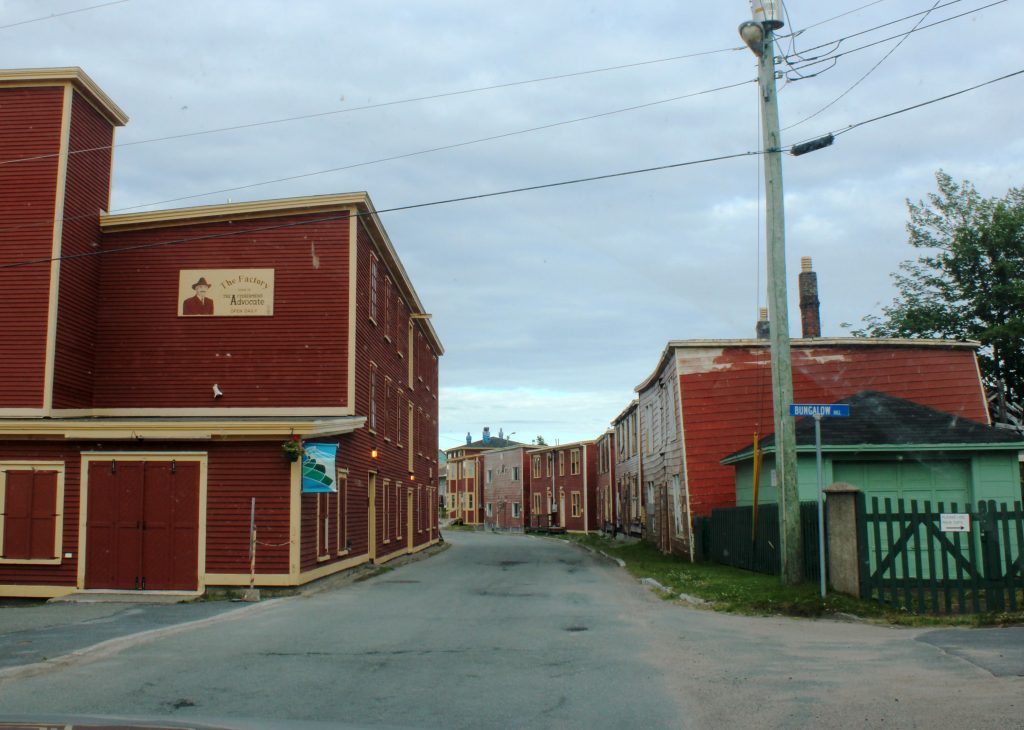
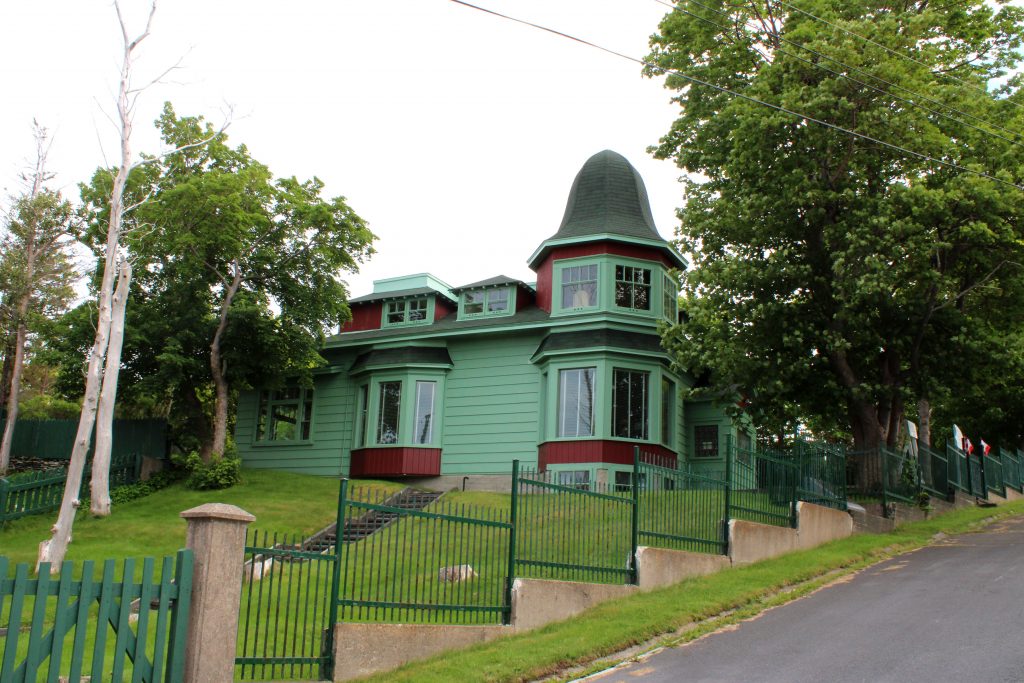

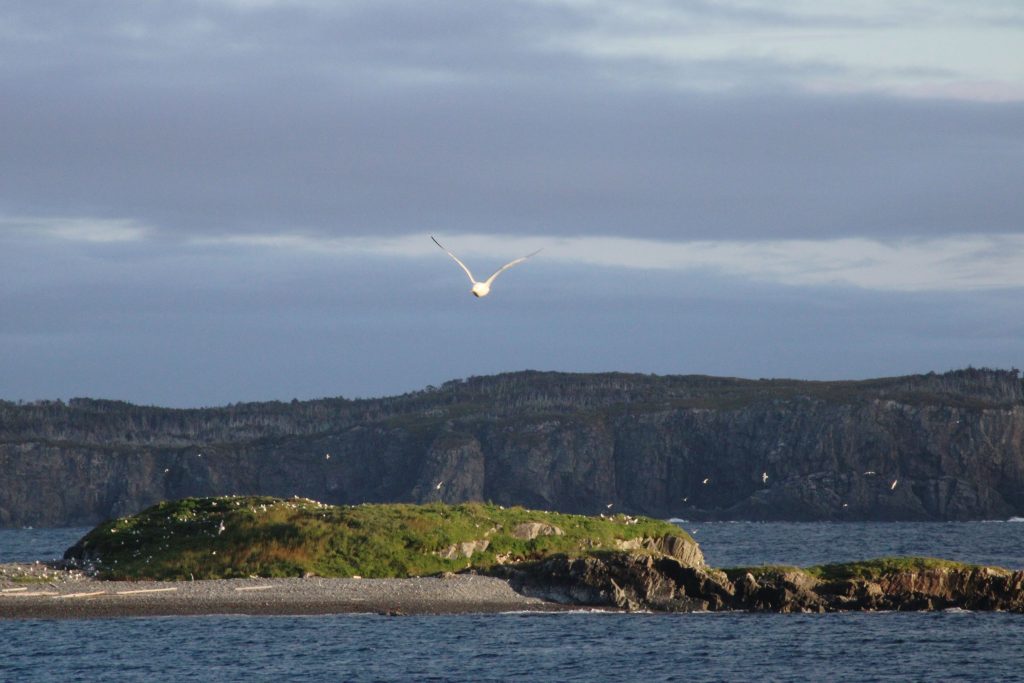

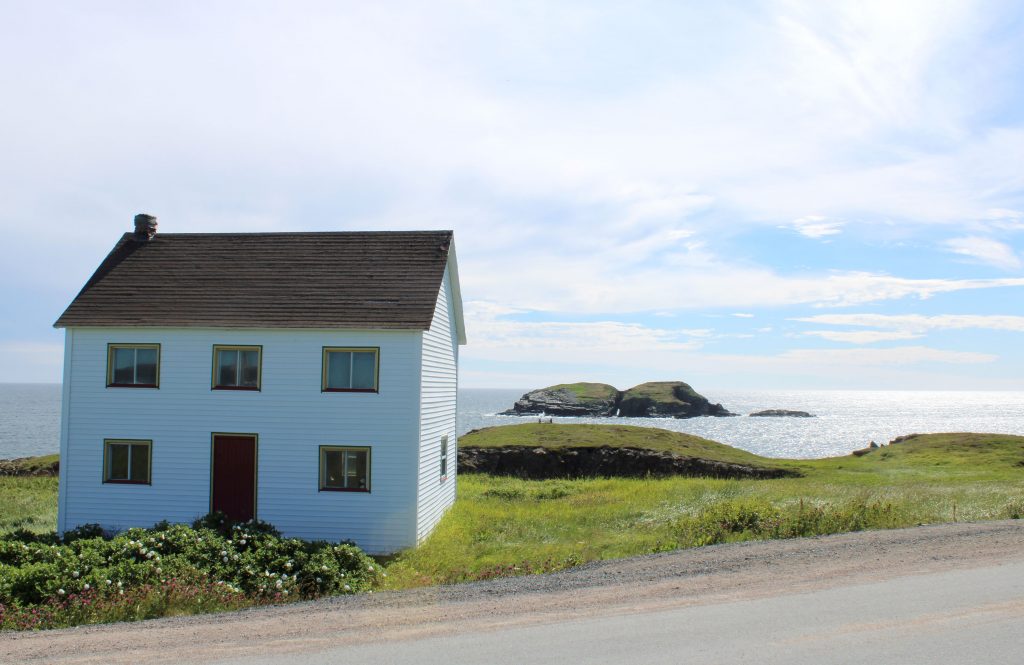
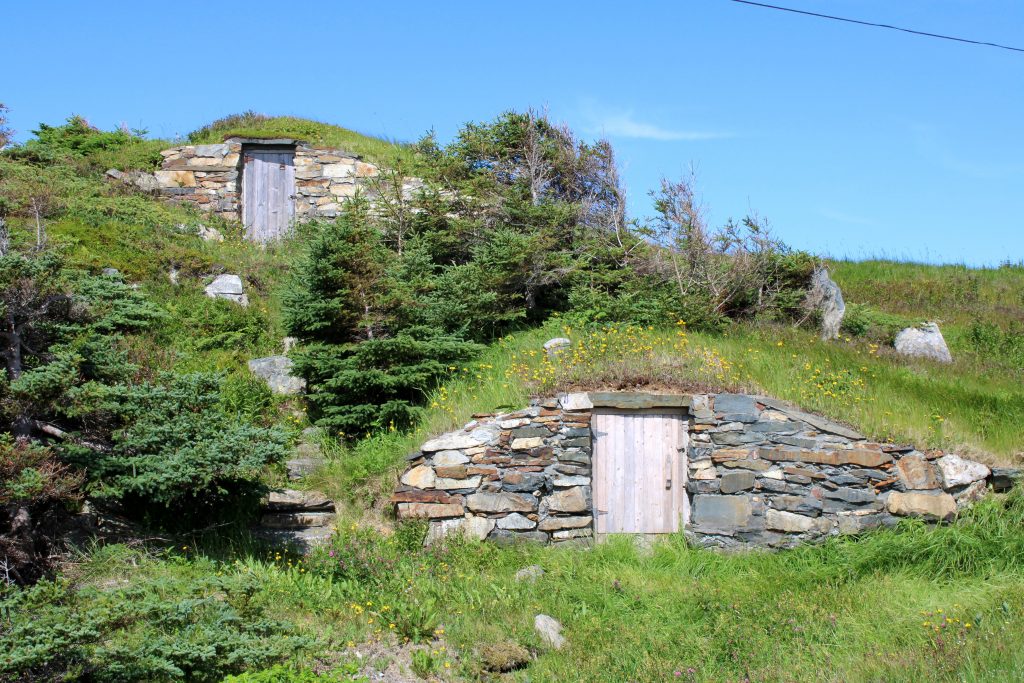
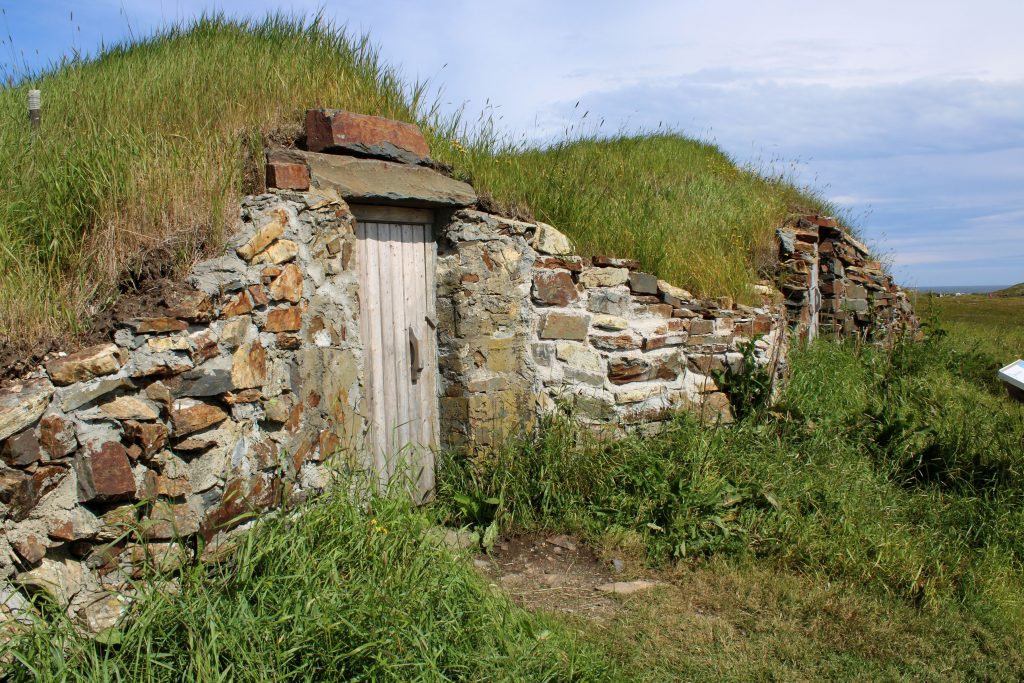
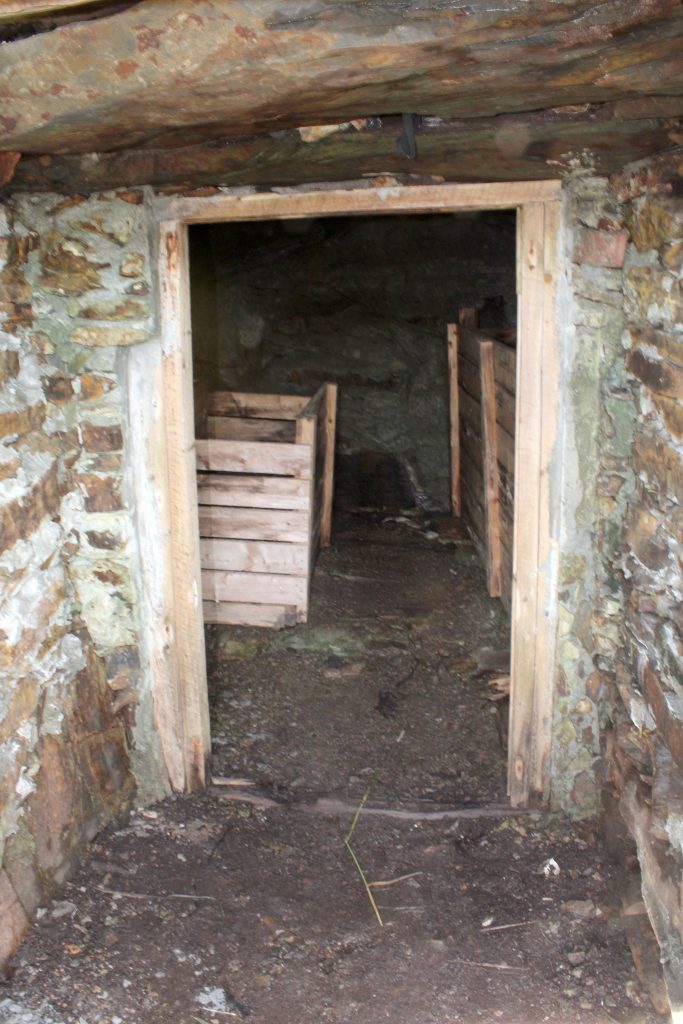
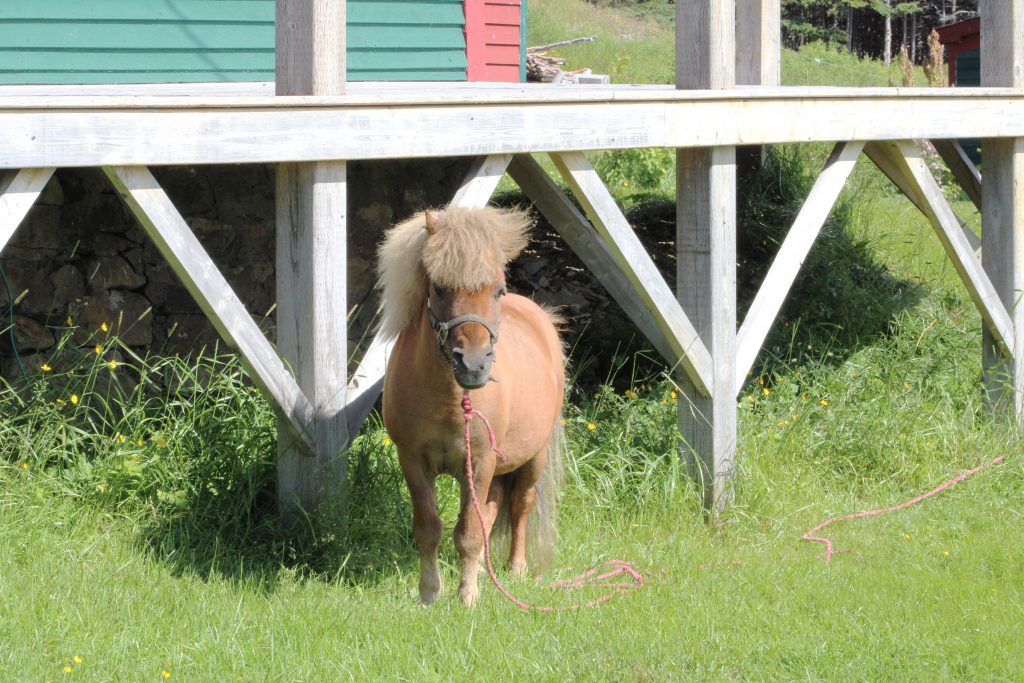
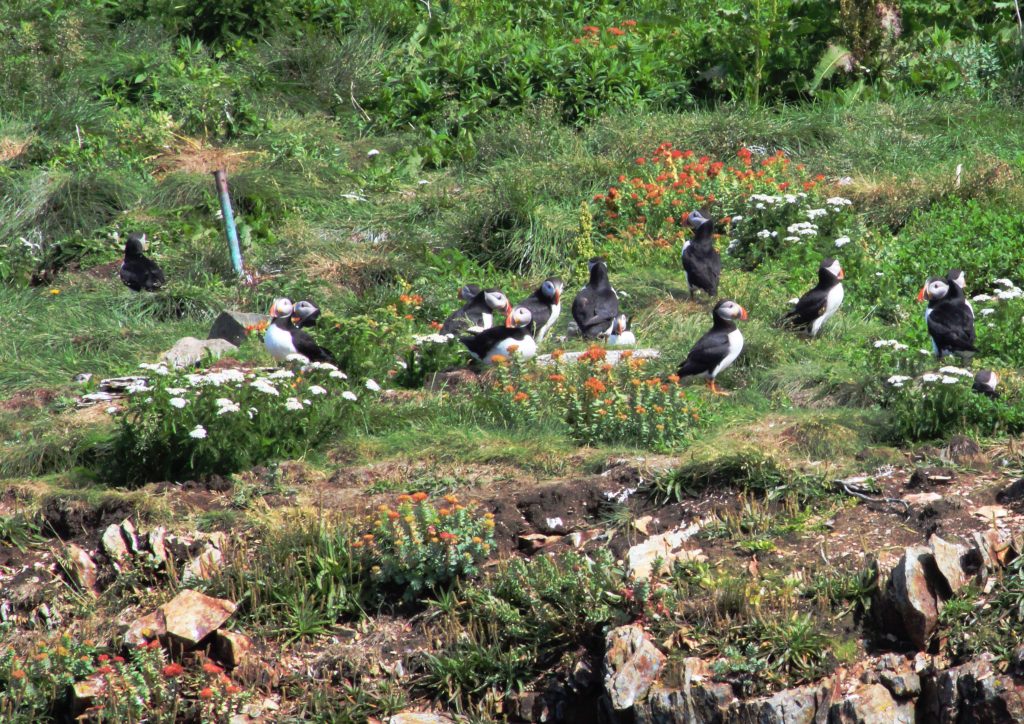
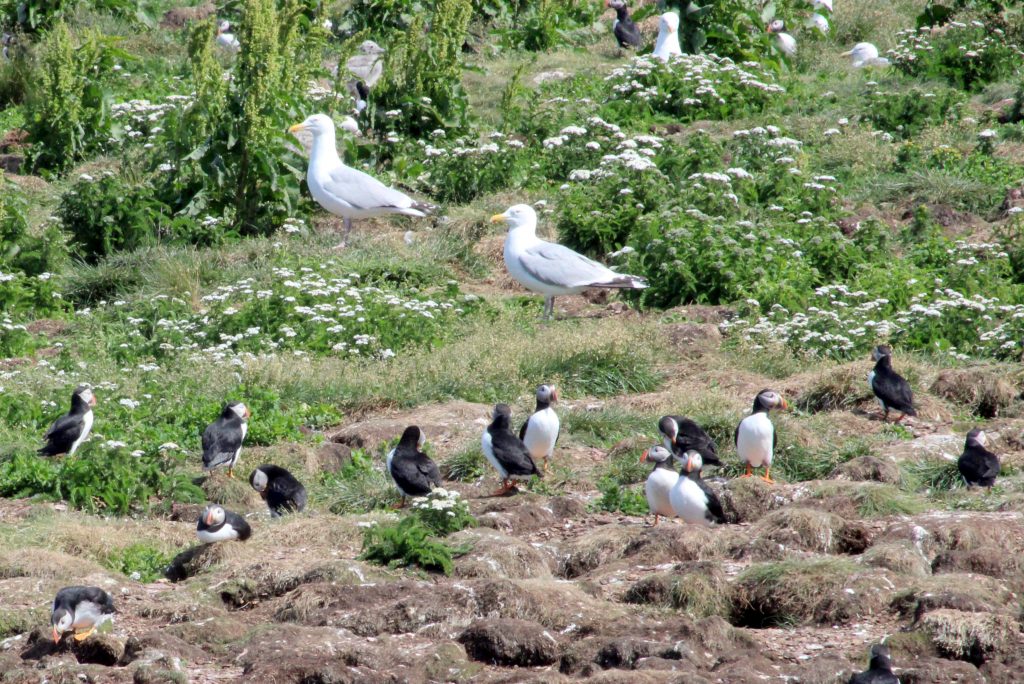
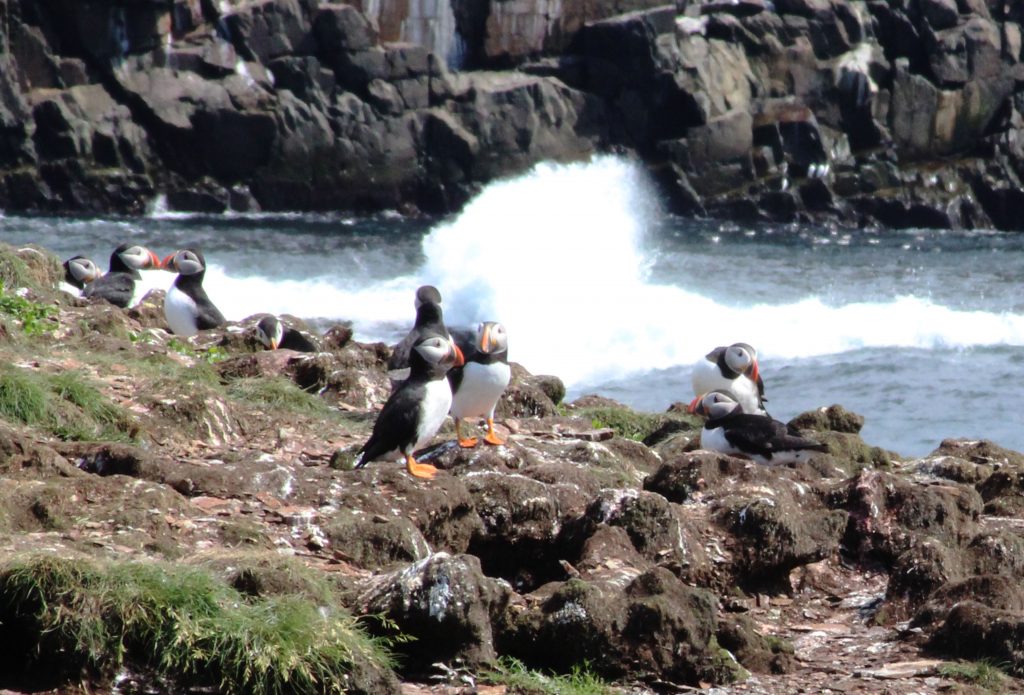
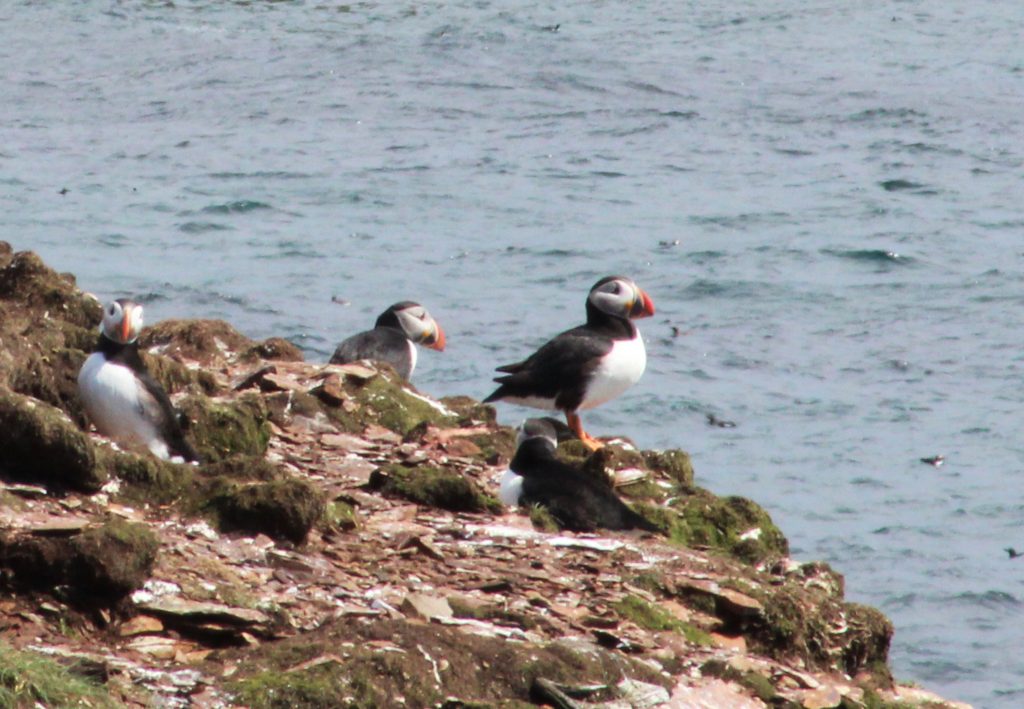
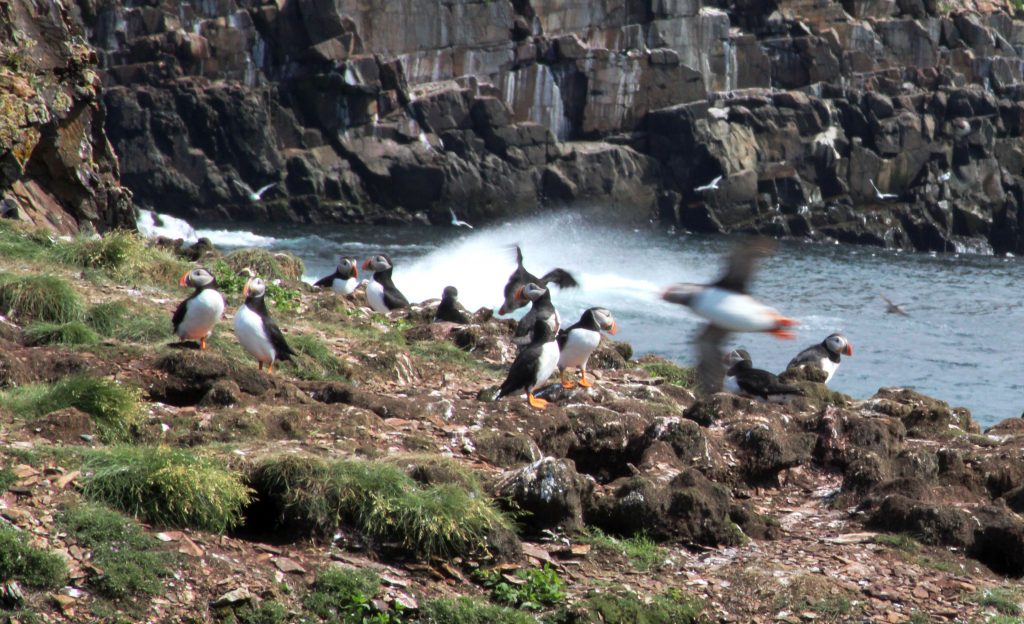
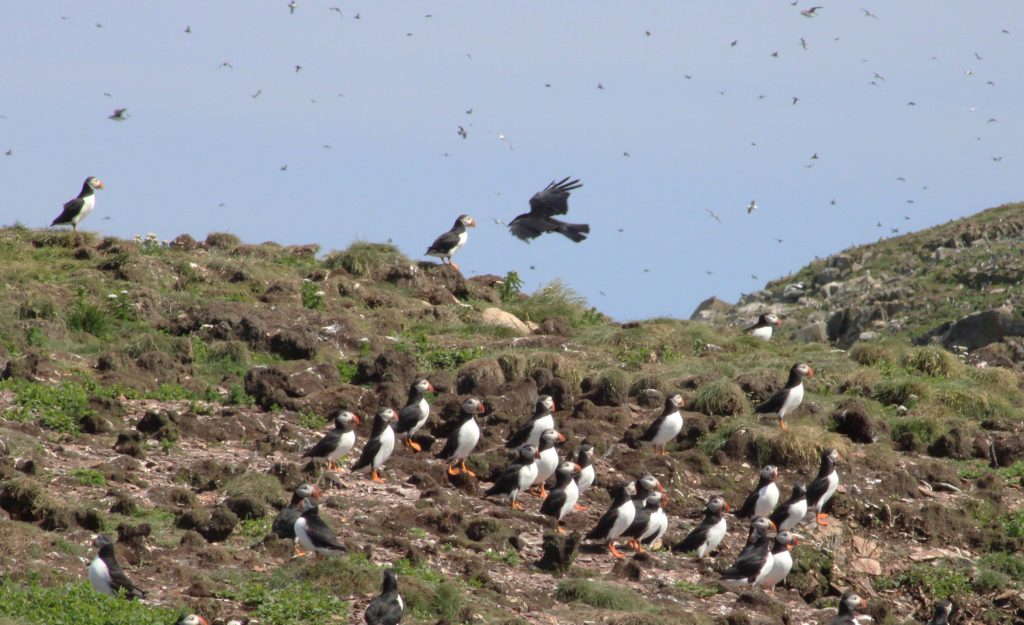
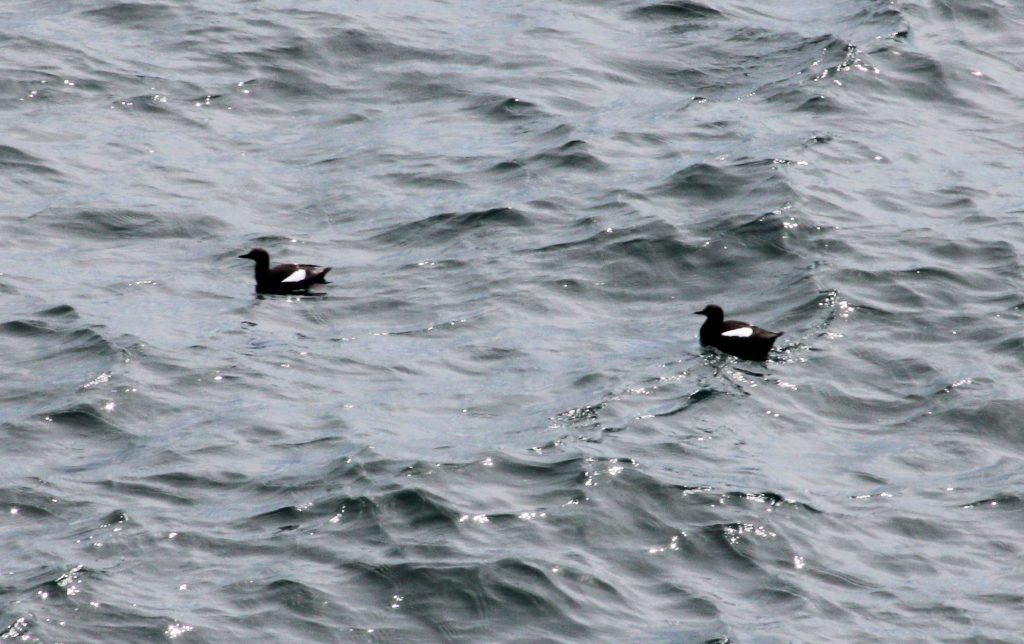
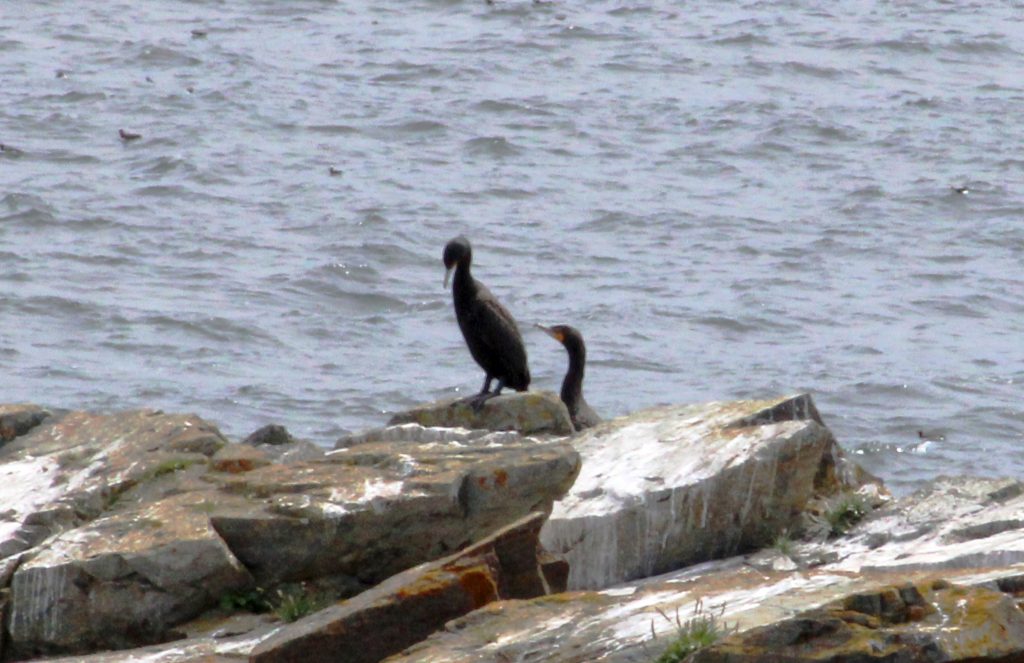
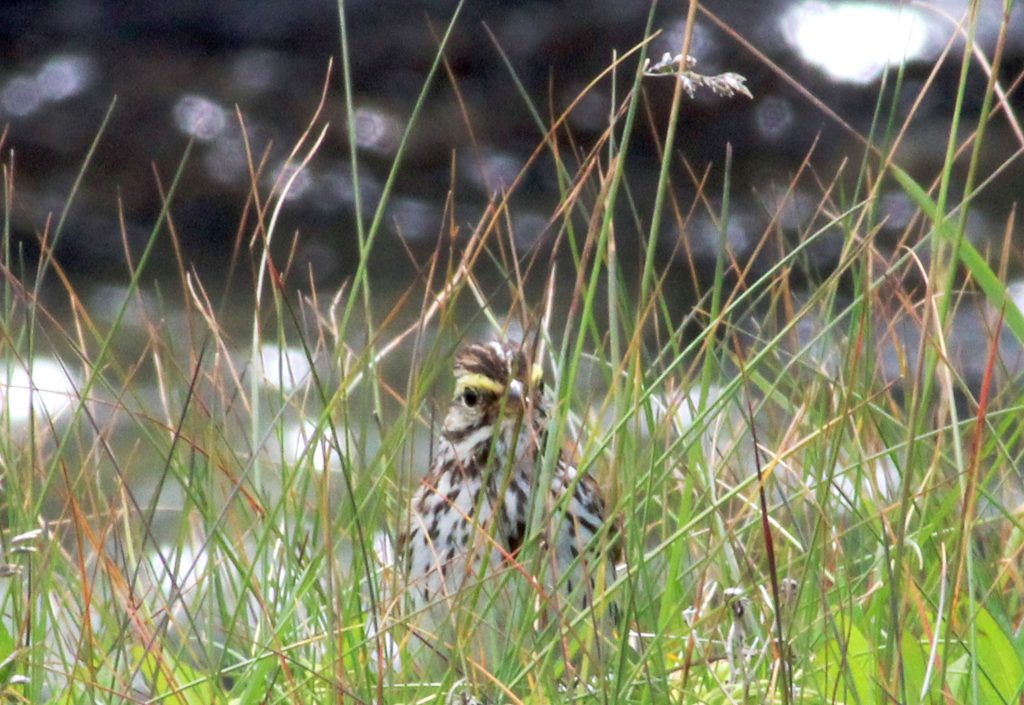
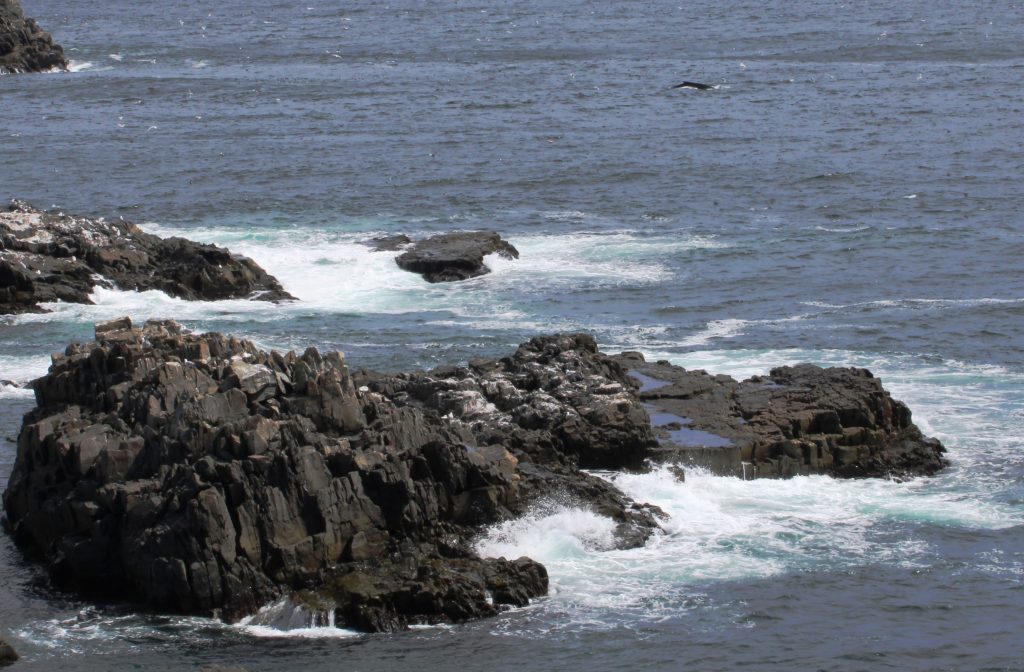
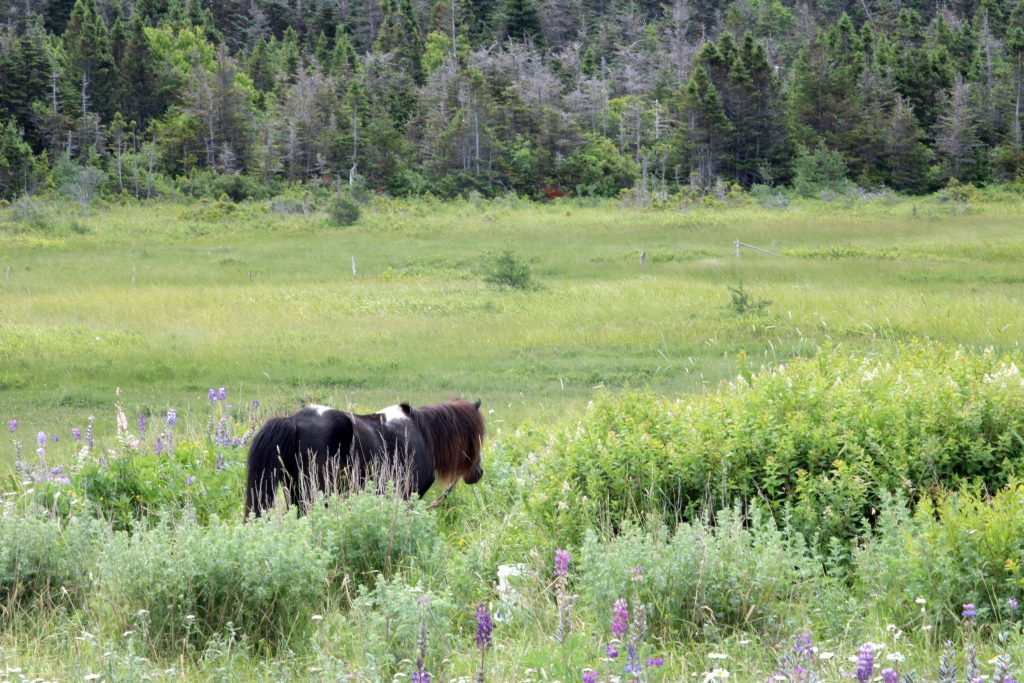
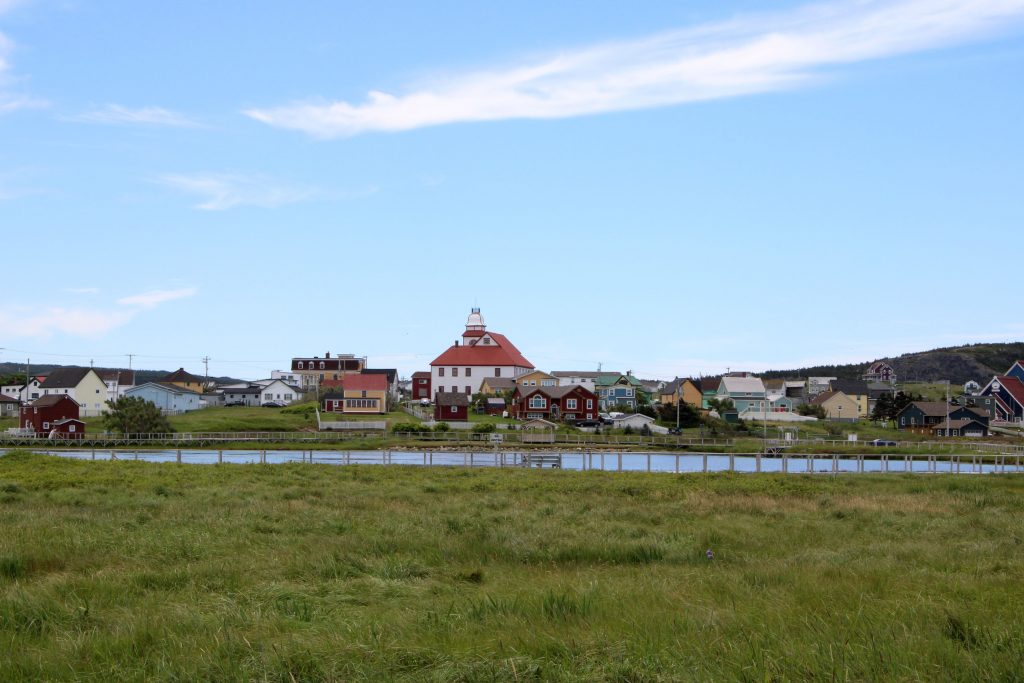
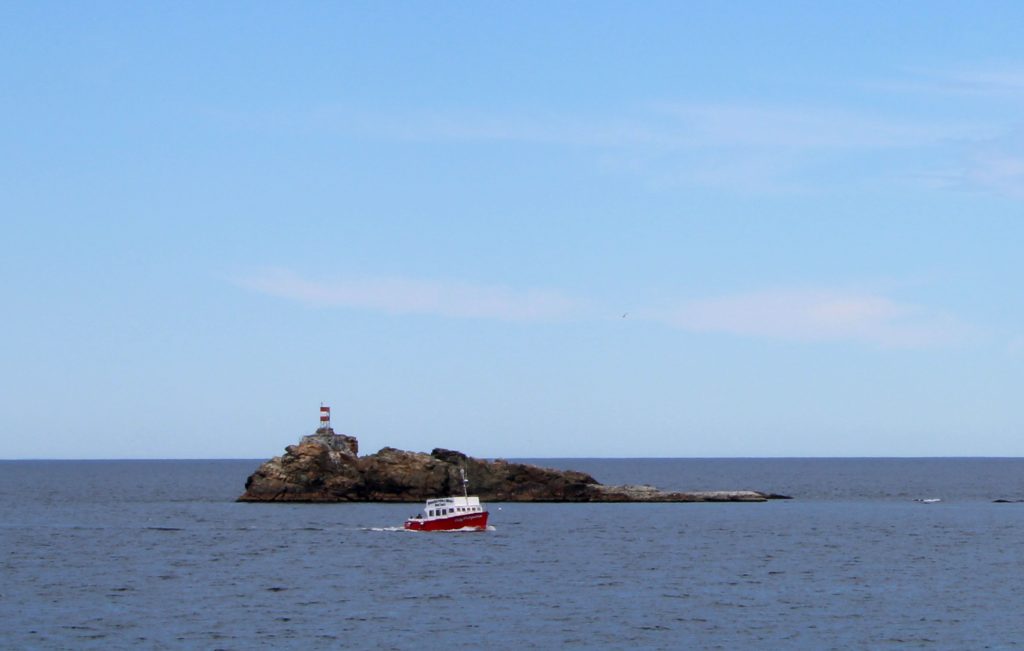
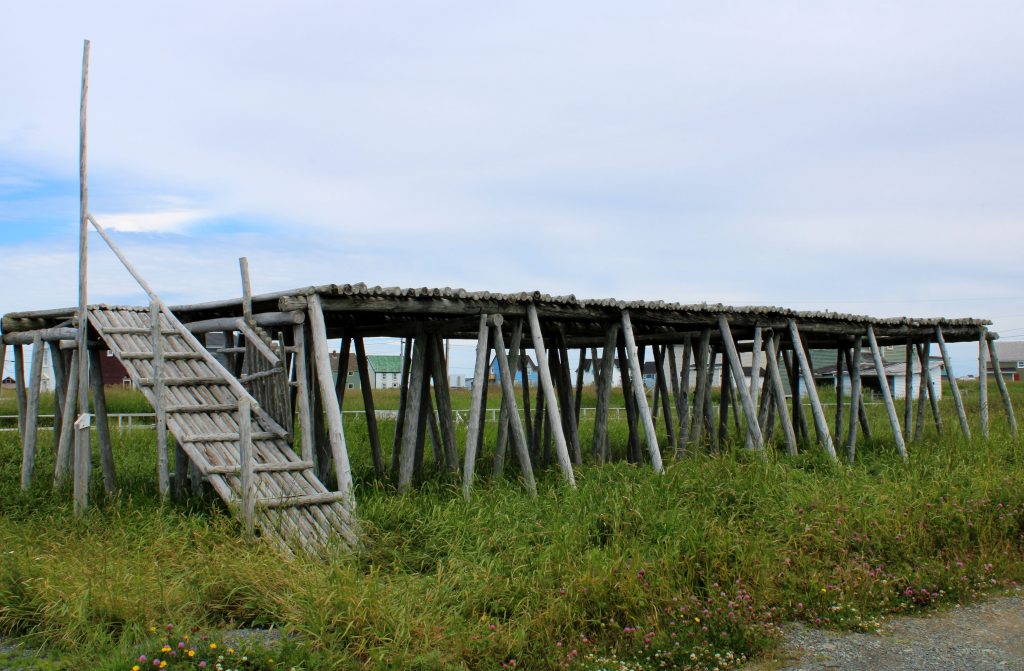
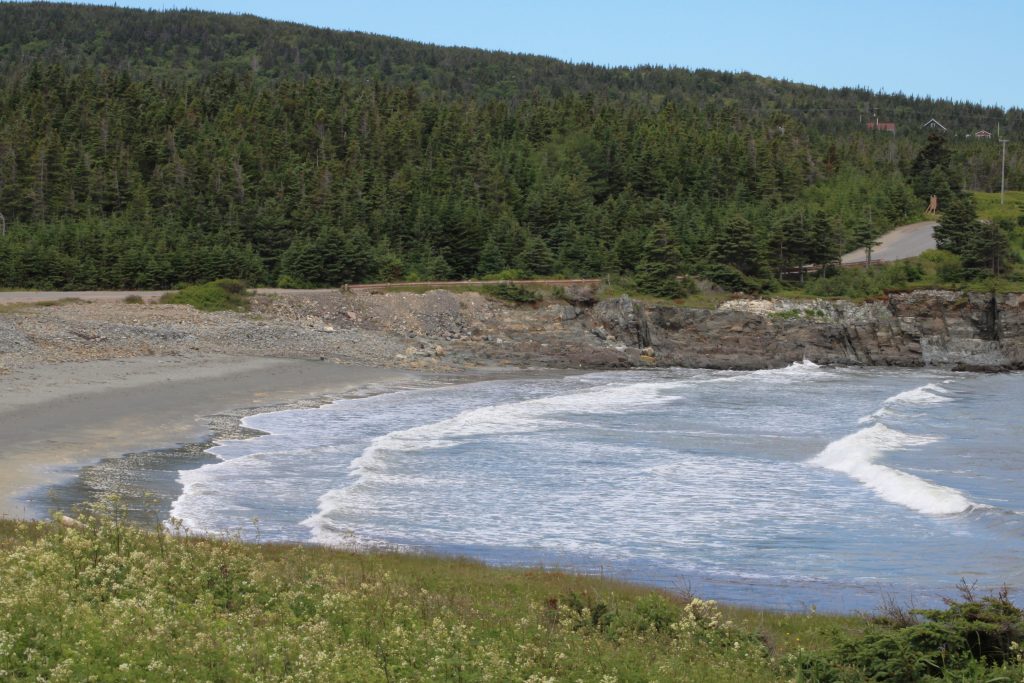
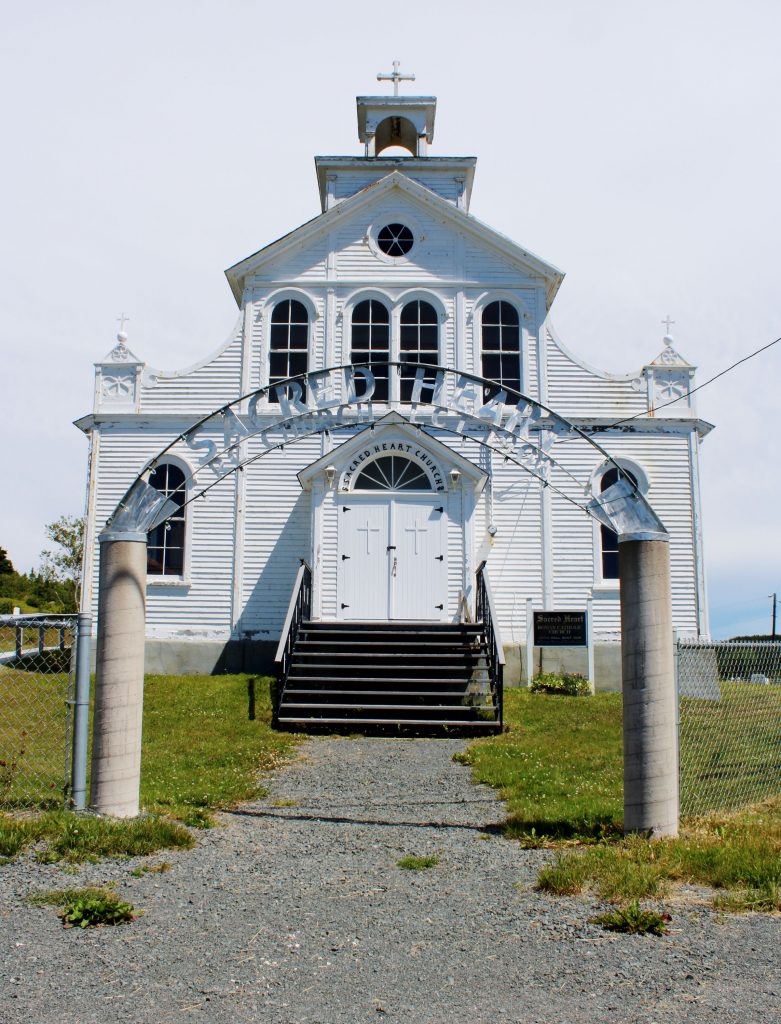
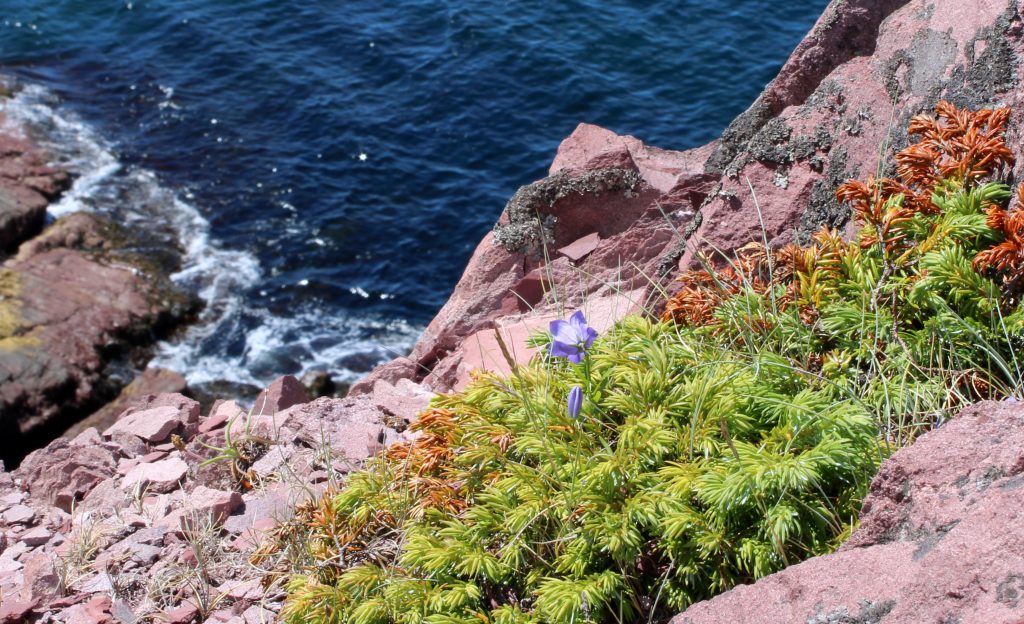
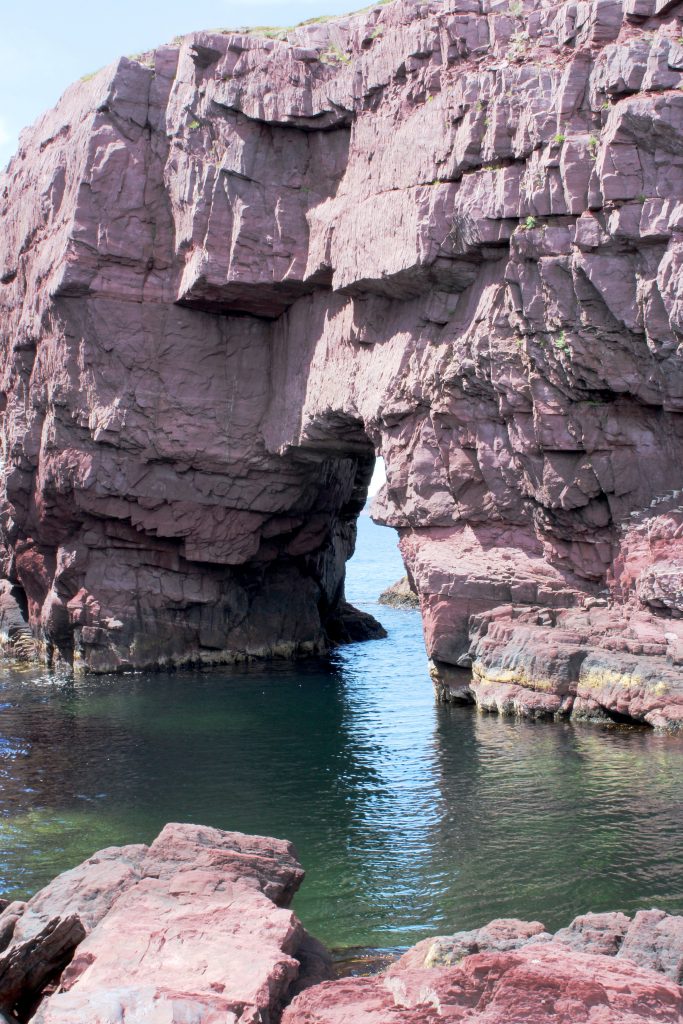
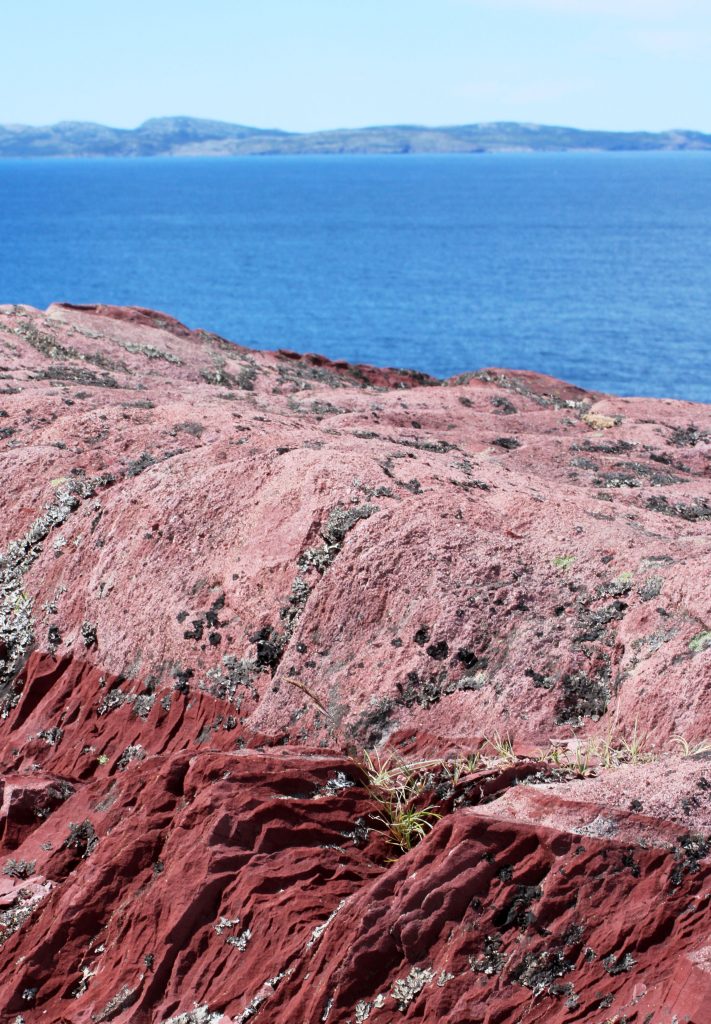
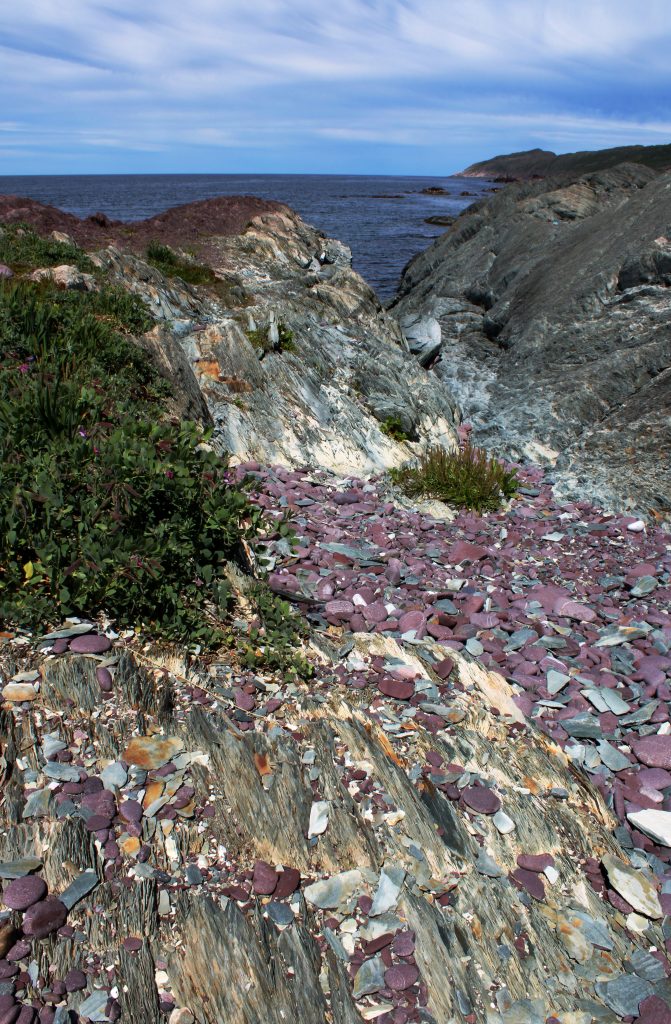

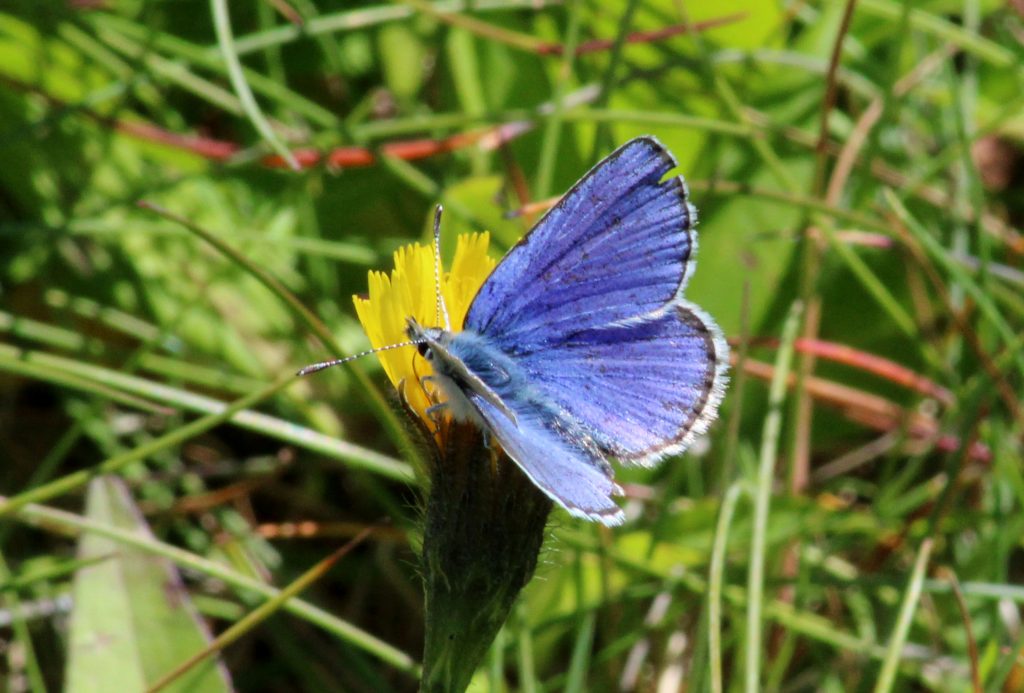
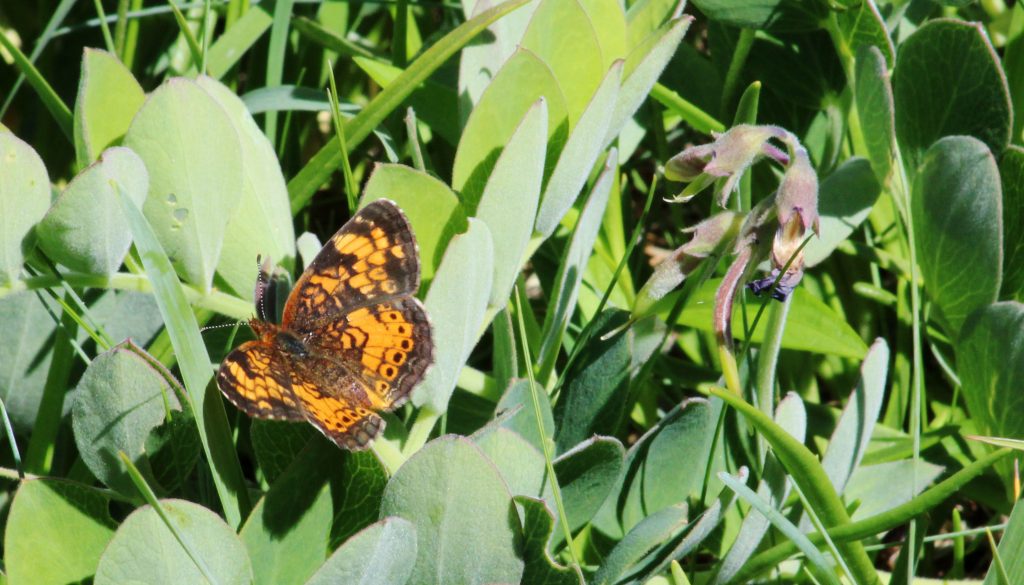
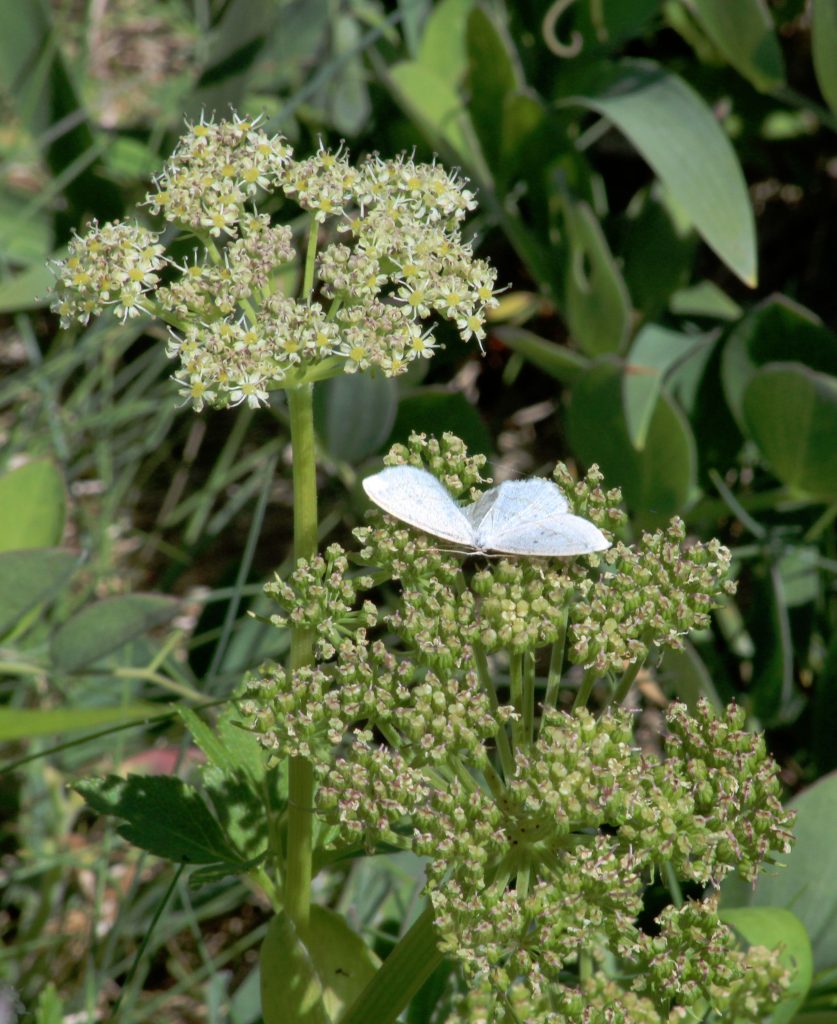
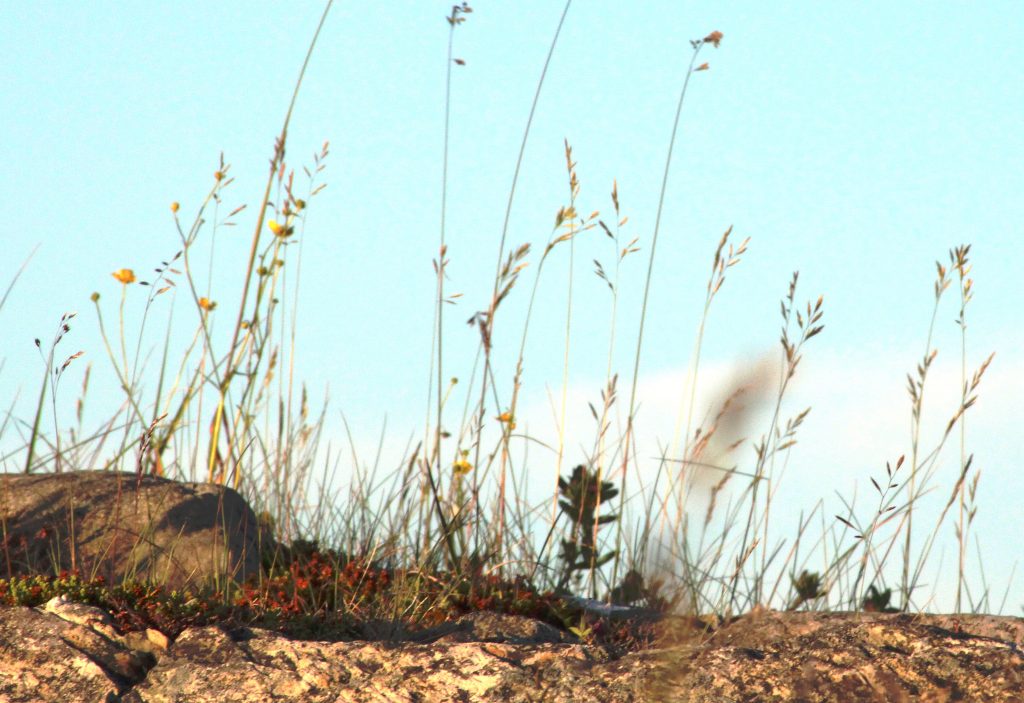
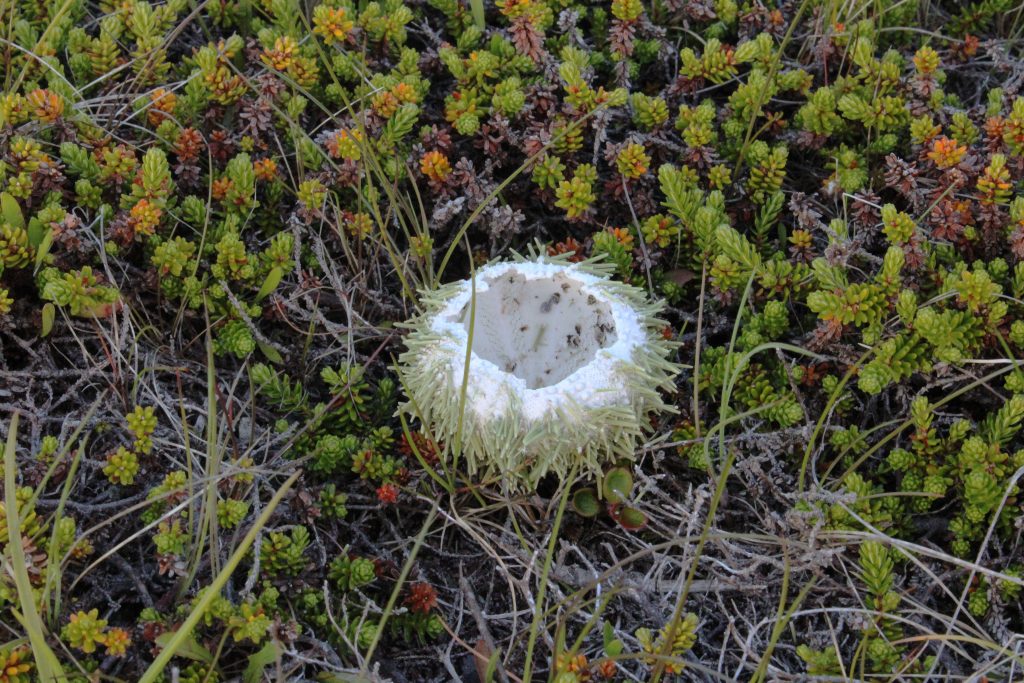
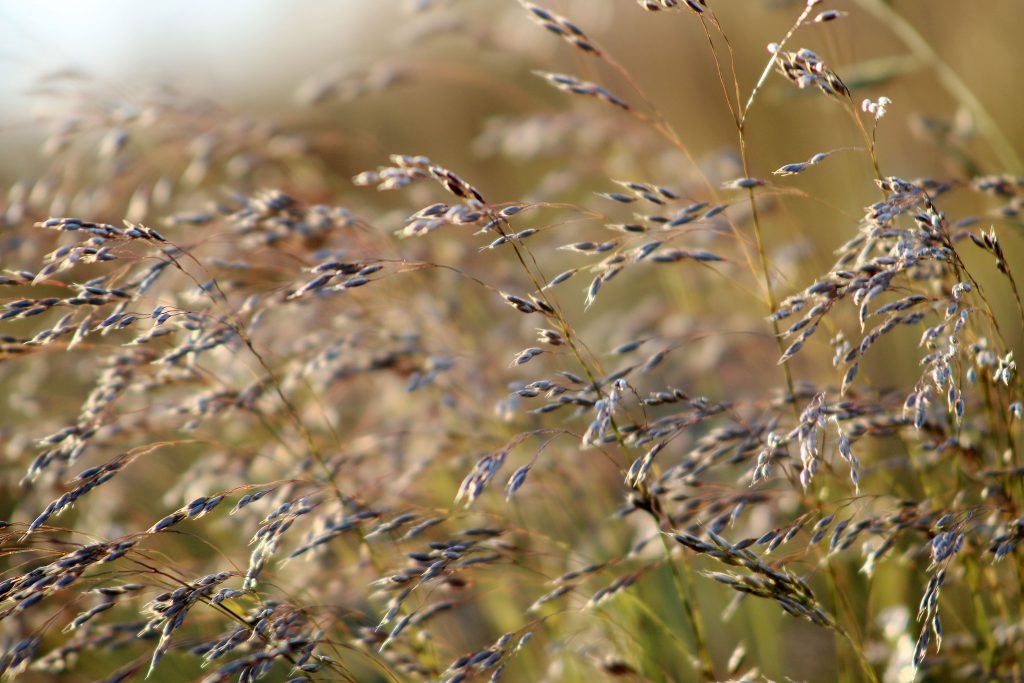
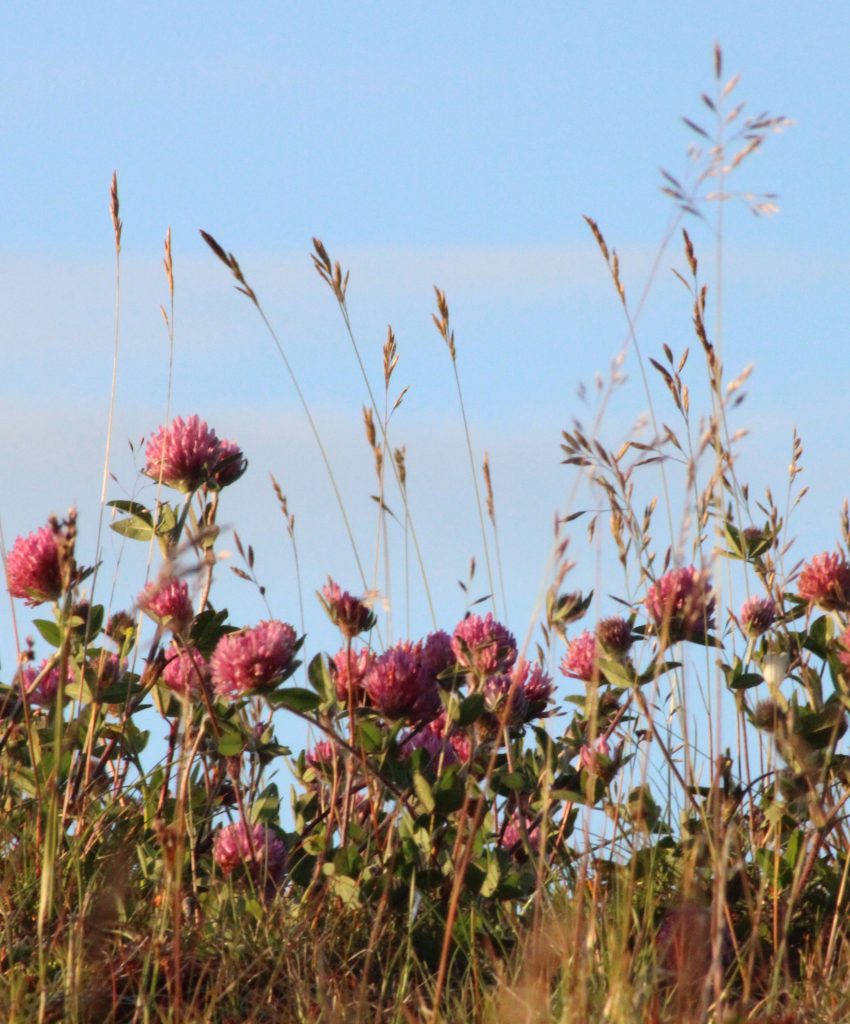
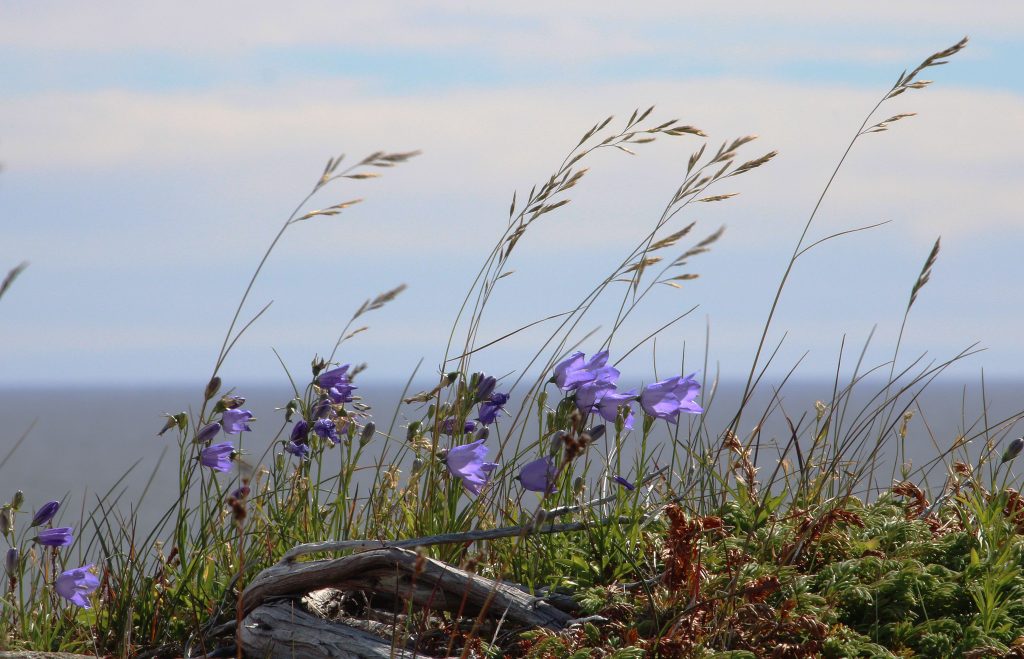
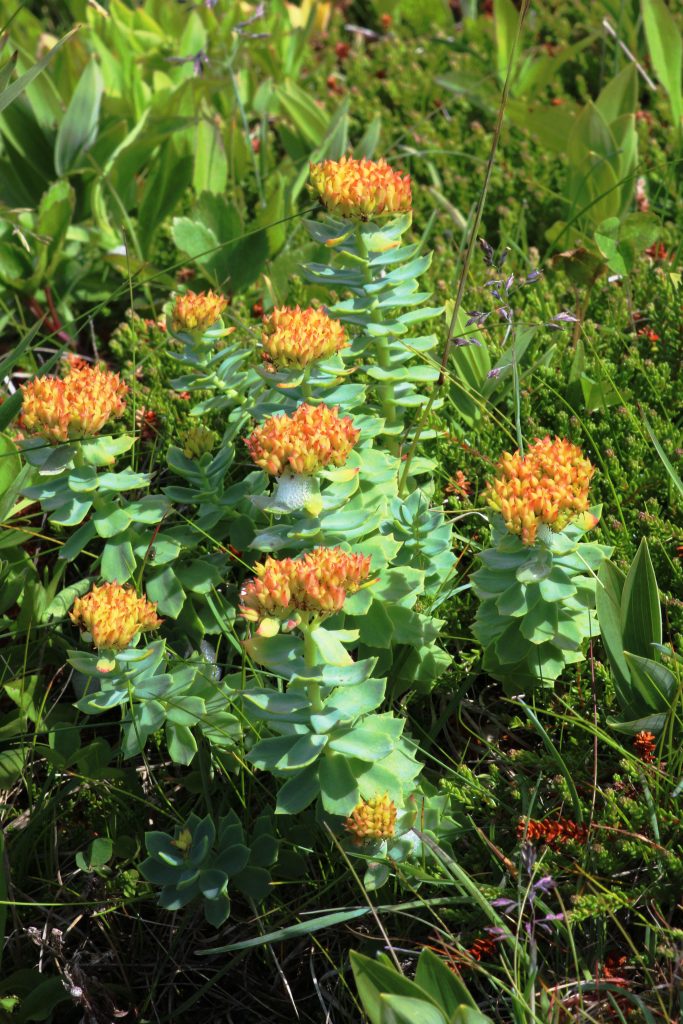
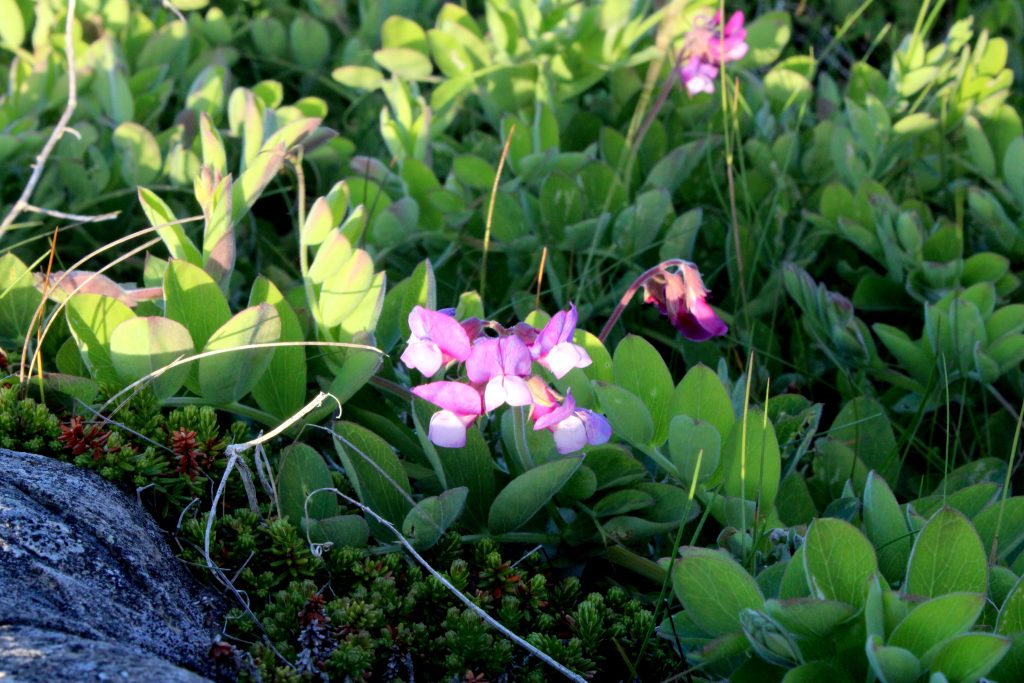
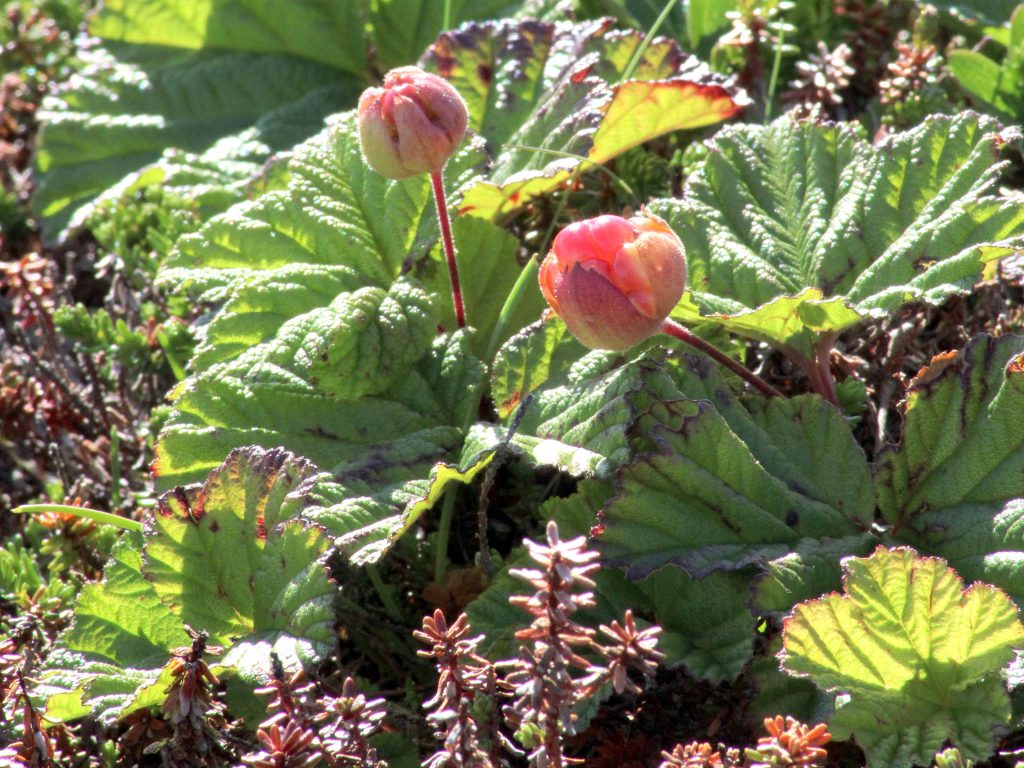
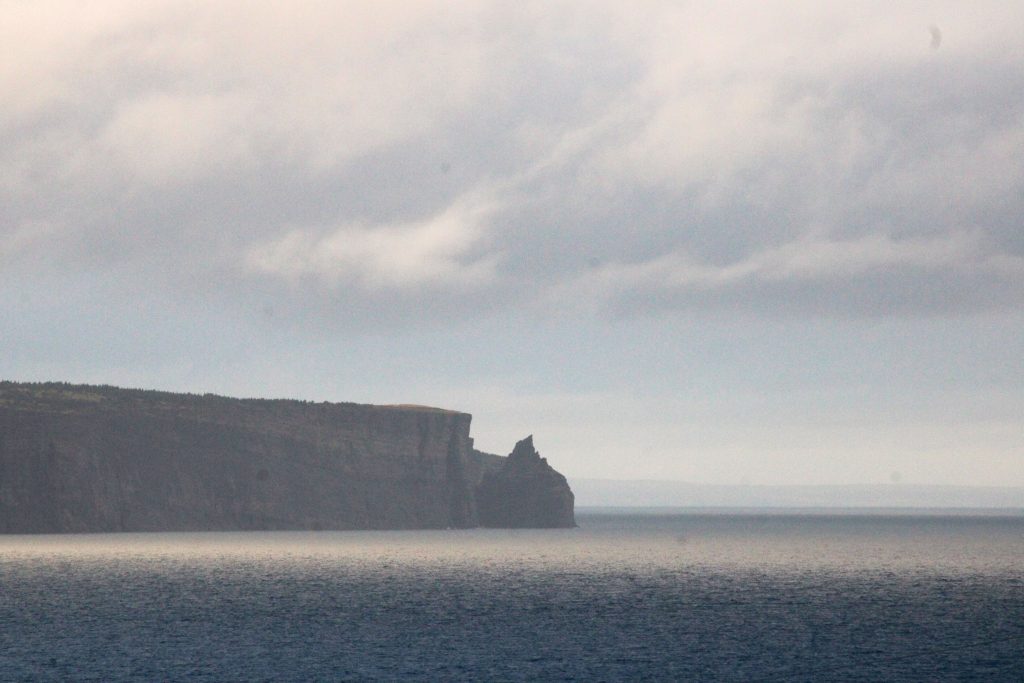
Things can look really big up close; sometimes it’s necessary to take a step back around to gain perspective.
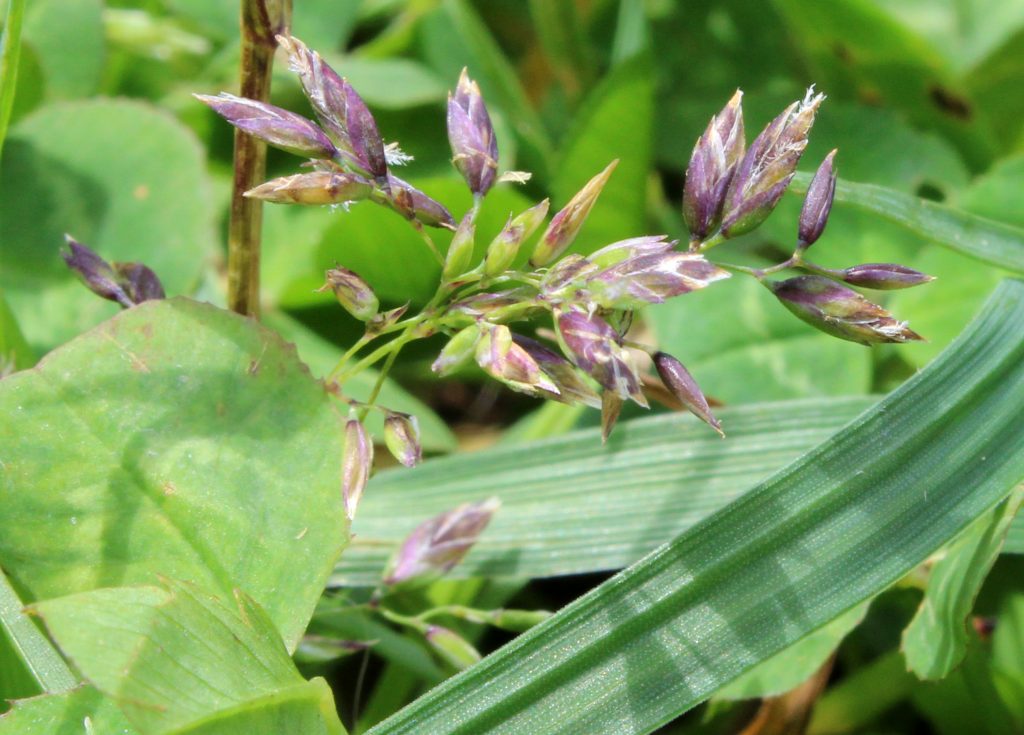
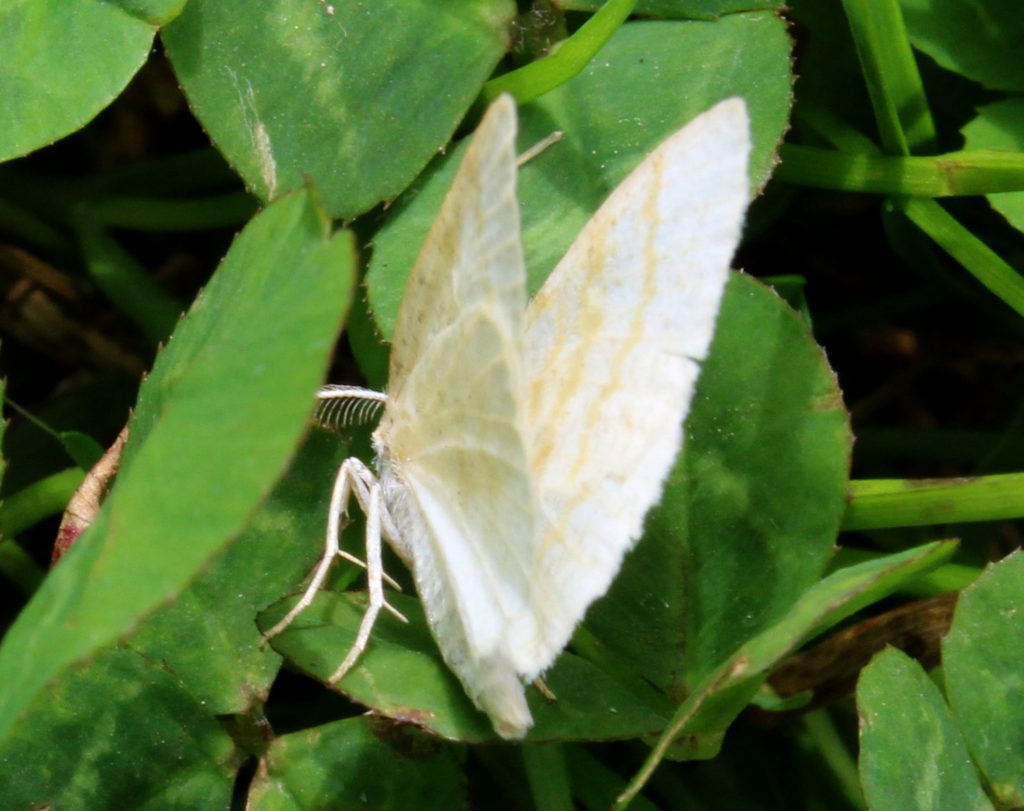
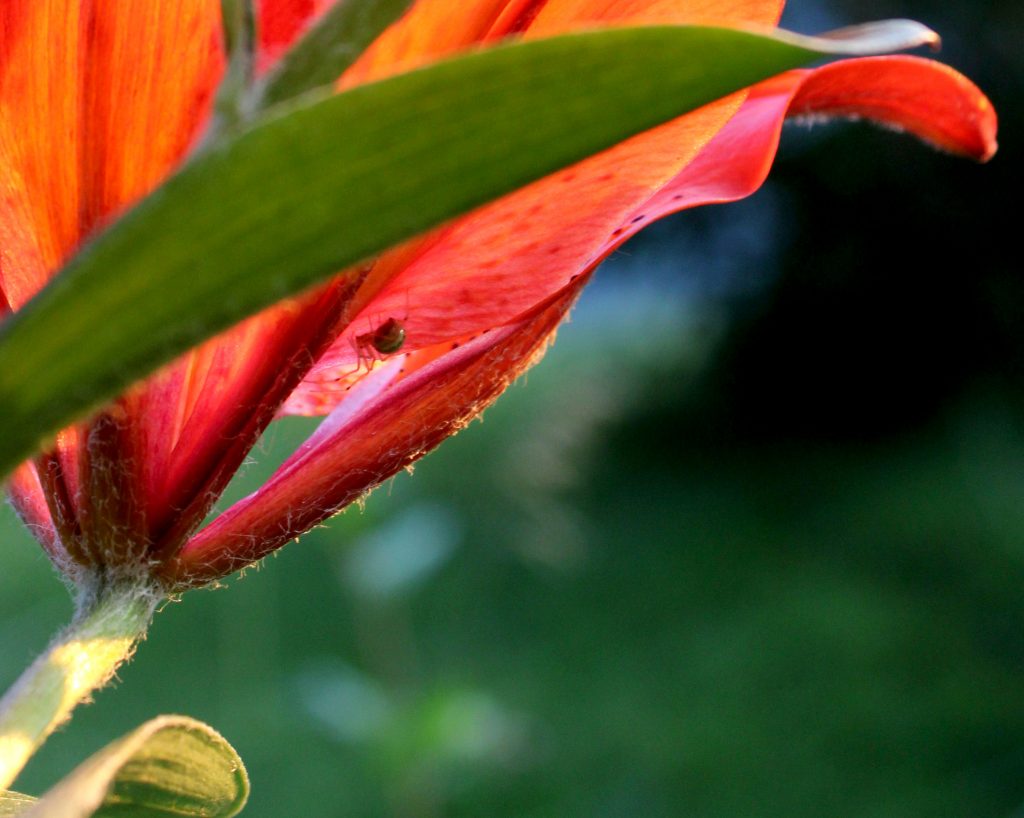
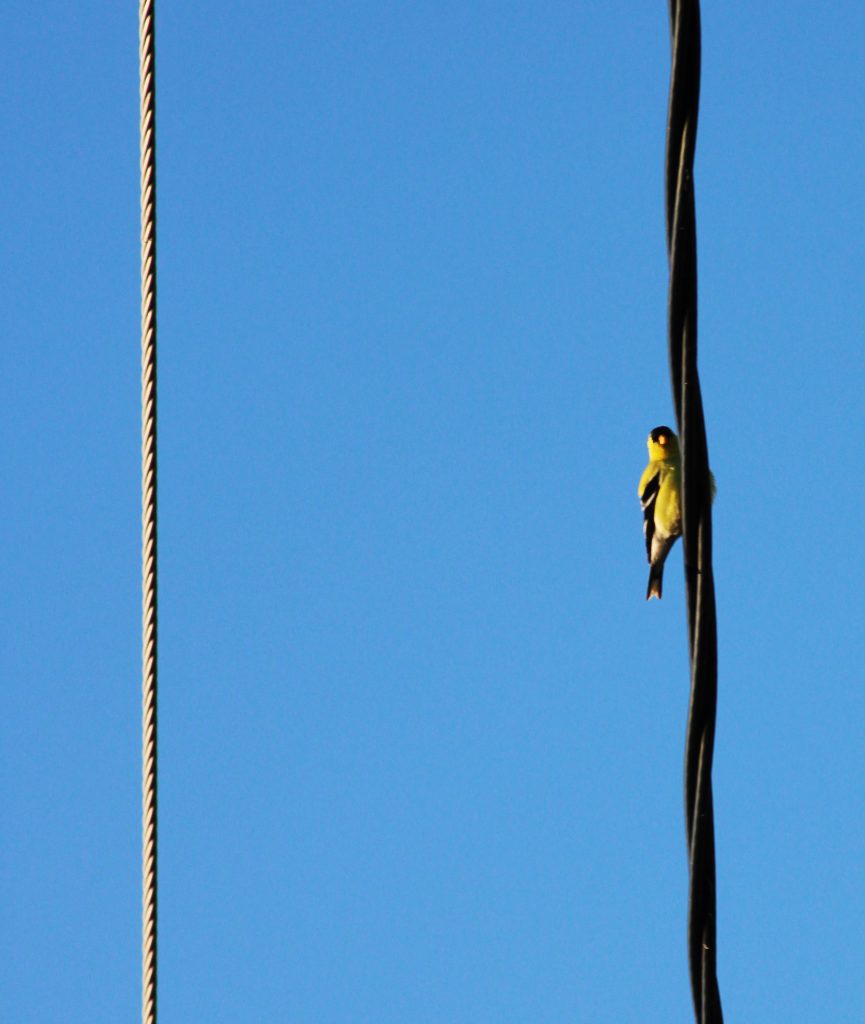
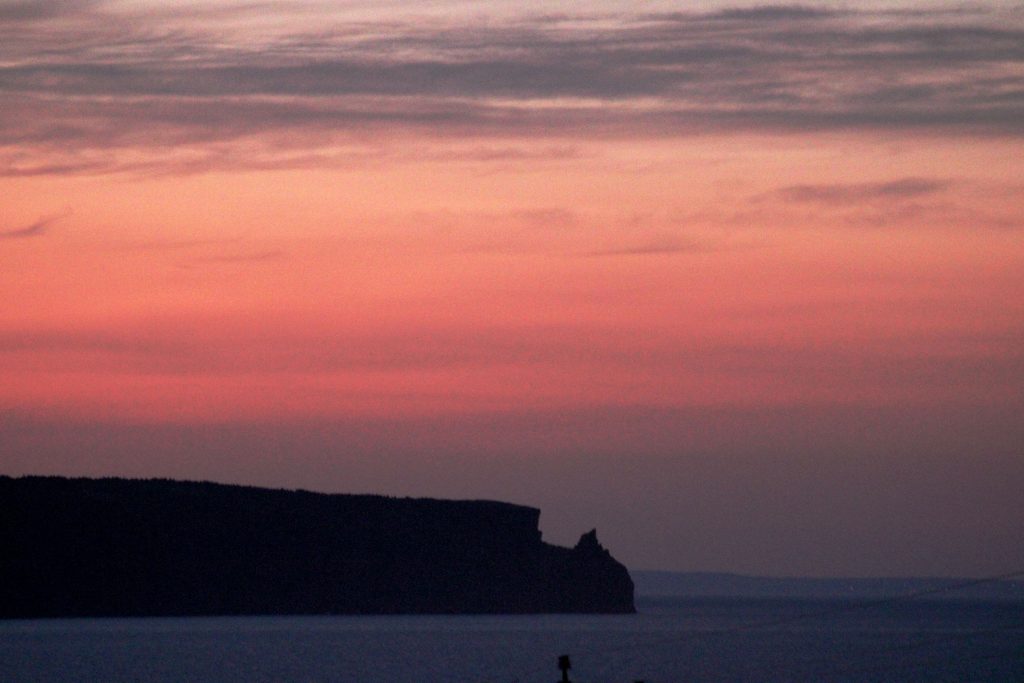
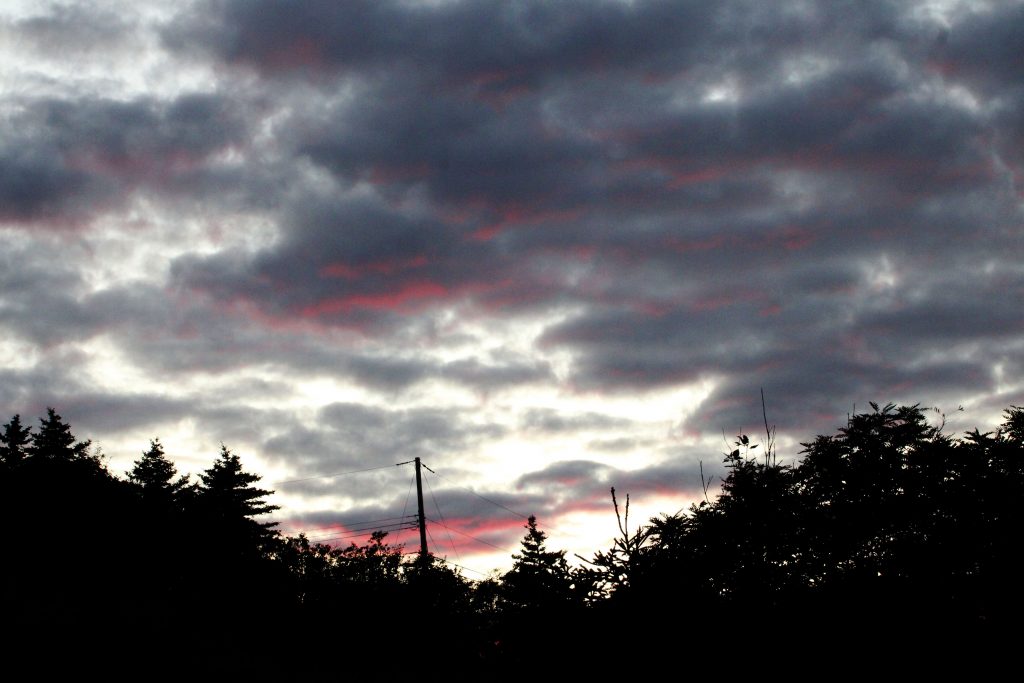
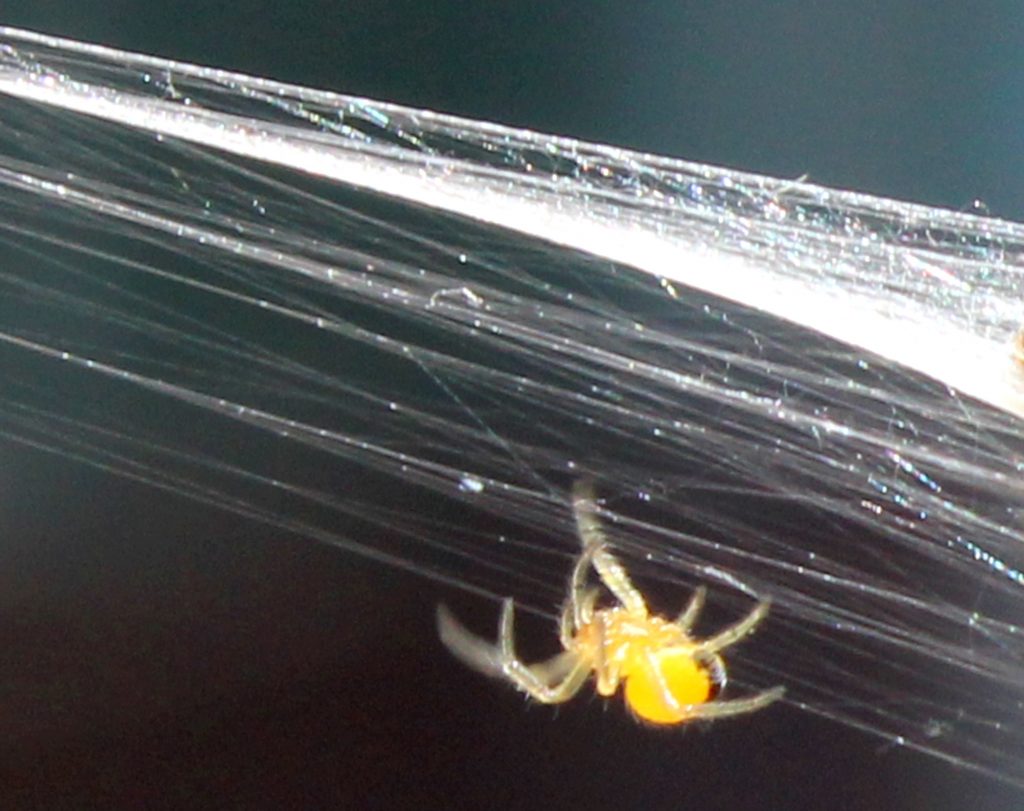
The evening sun paints the sky with its palette of hues, beginning its farewell with pastels and ending in fire. But it’s the intense angle of light that reveals the details of small things, in highlights and shadows.
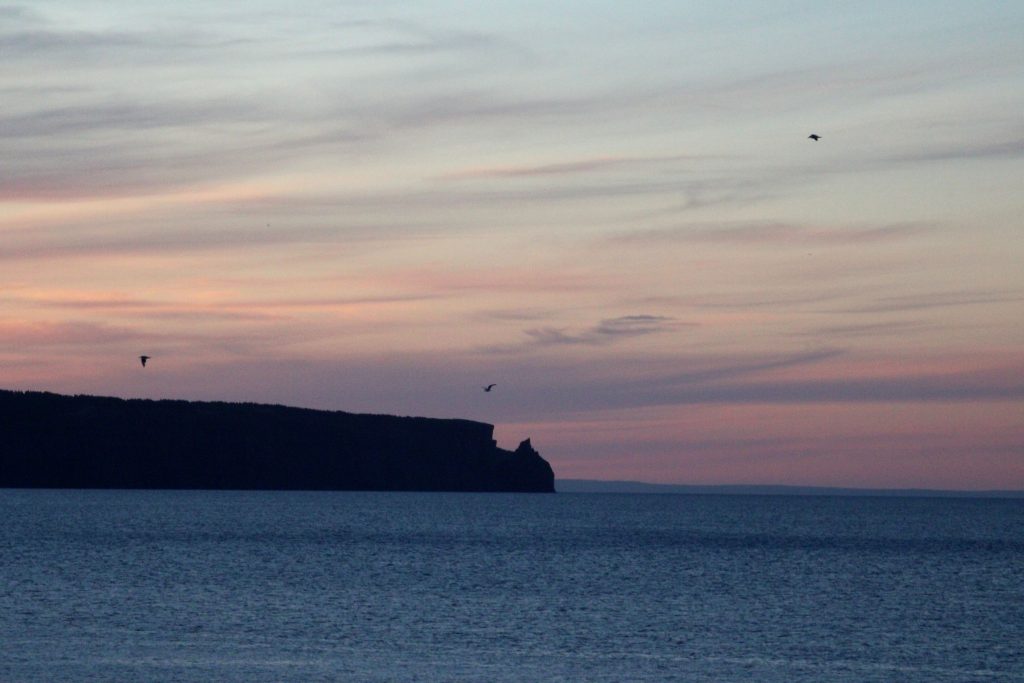
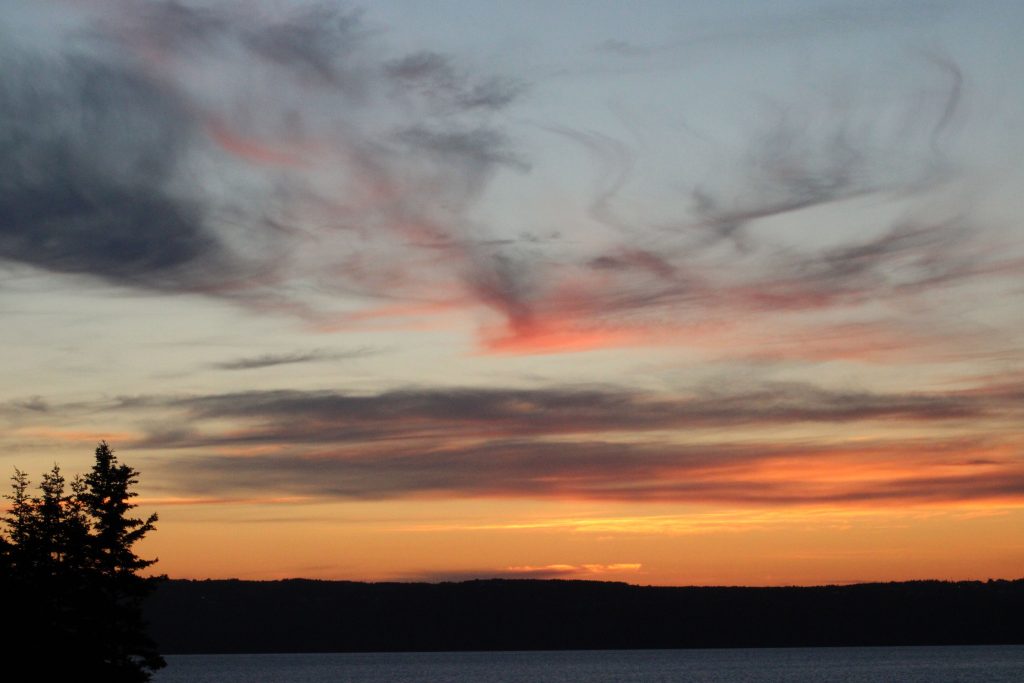
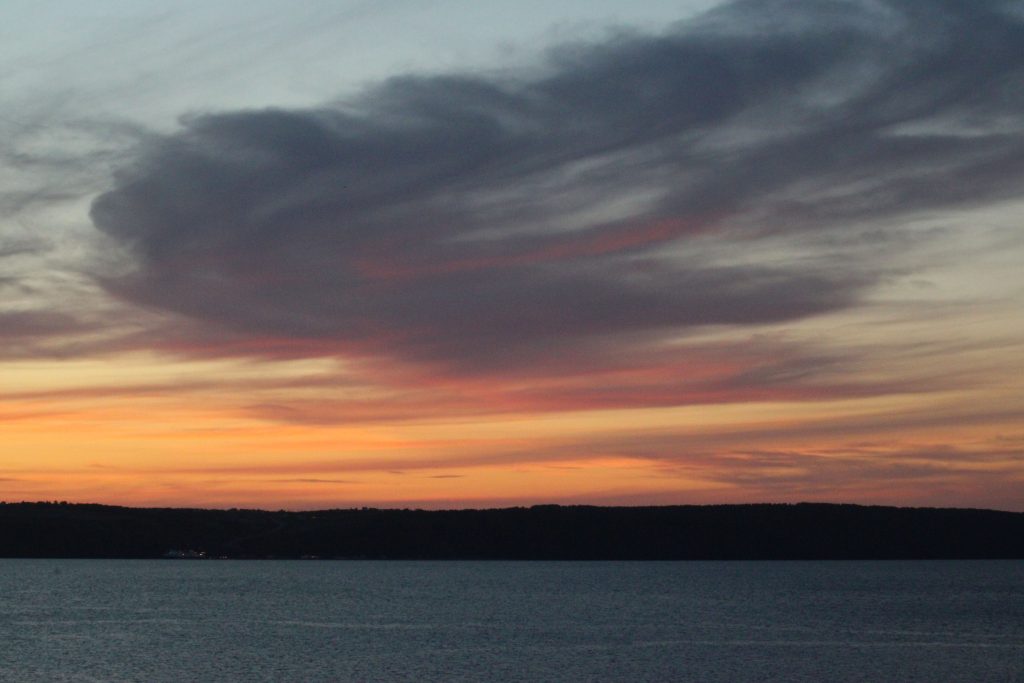
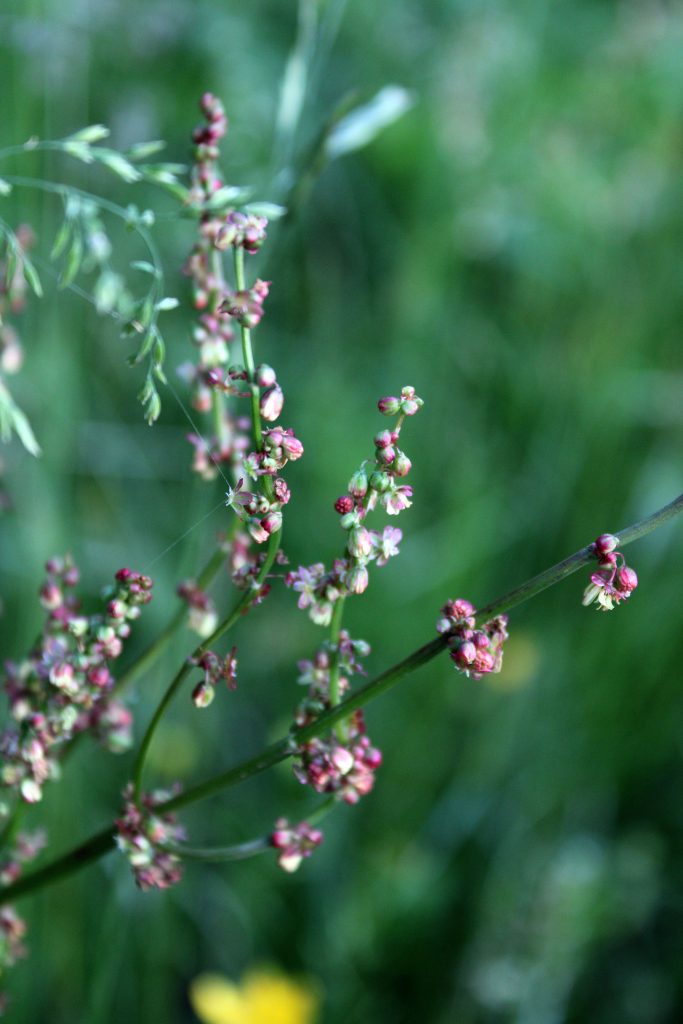
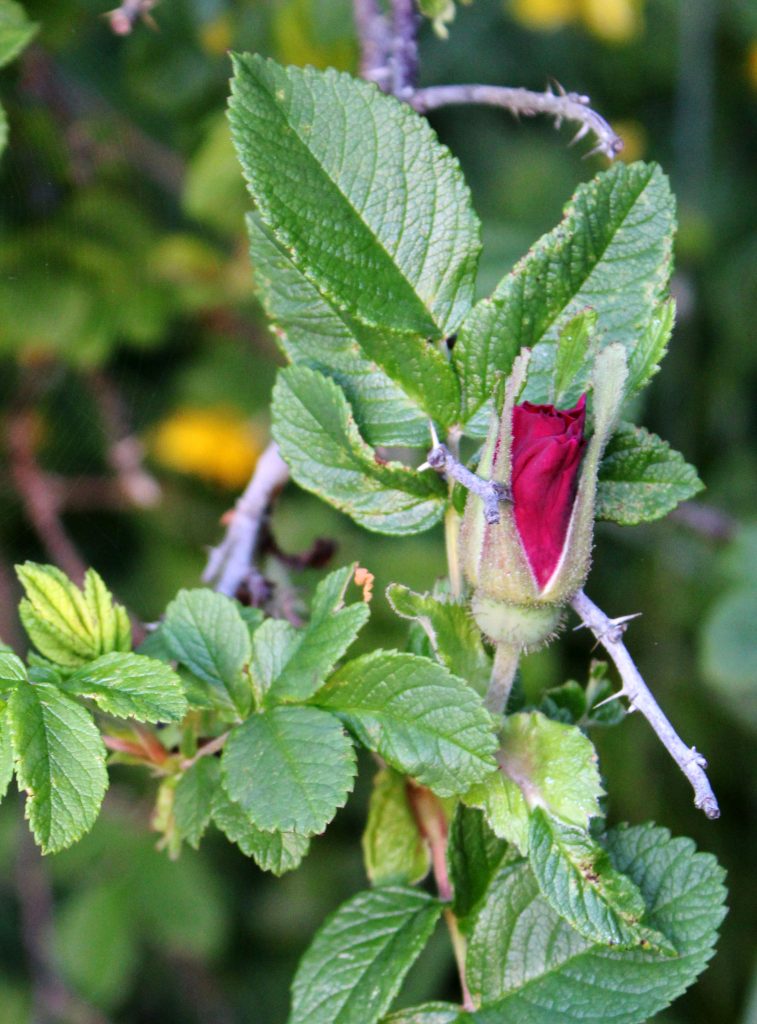
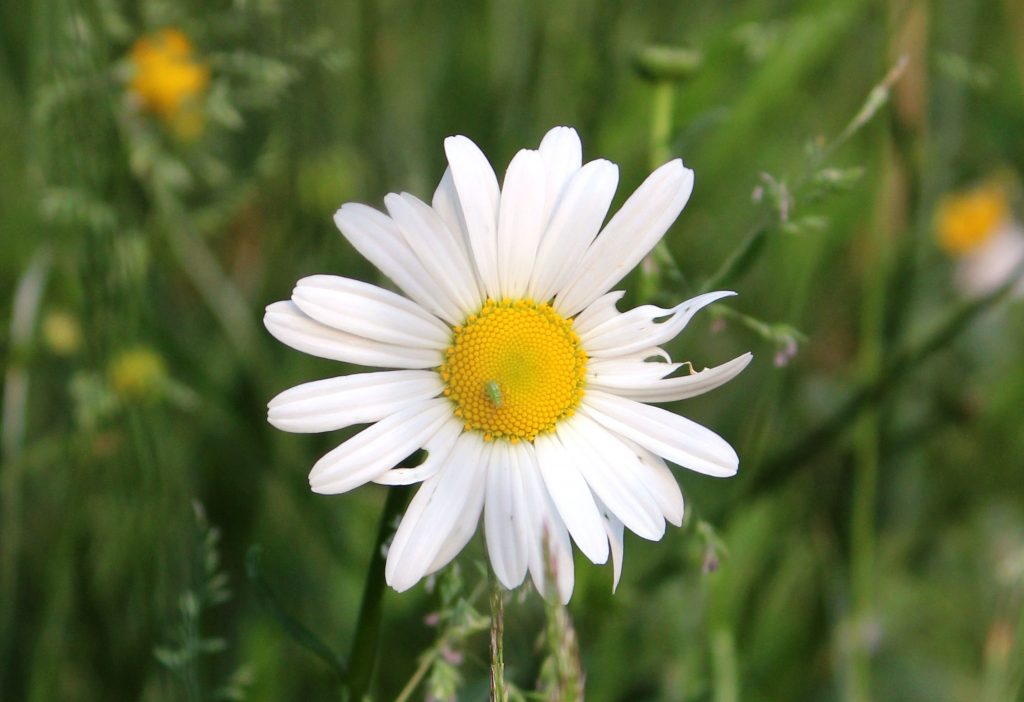
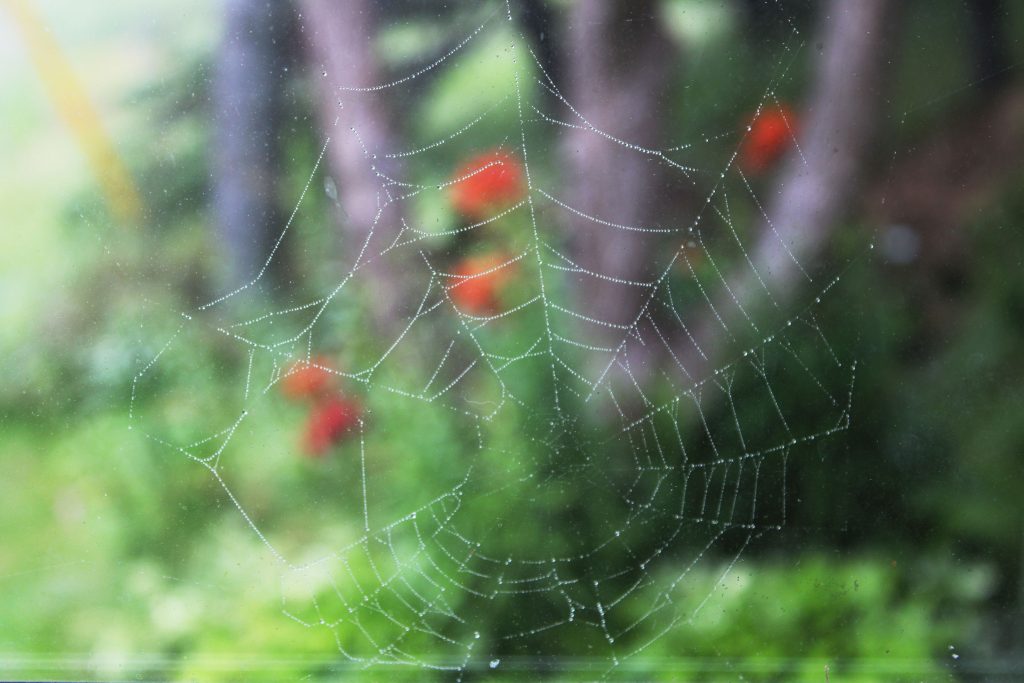
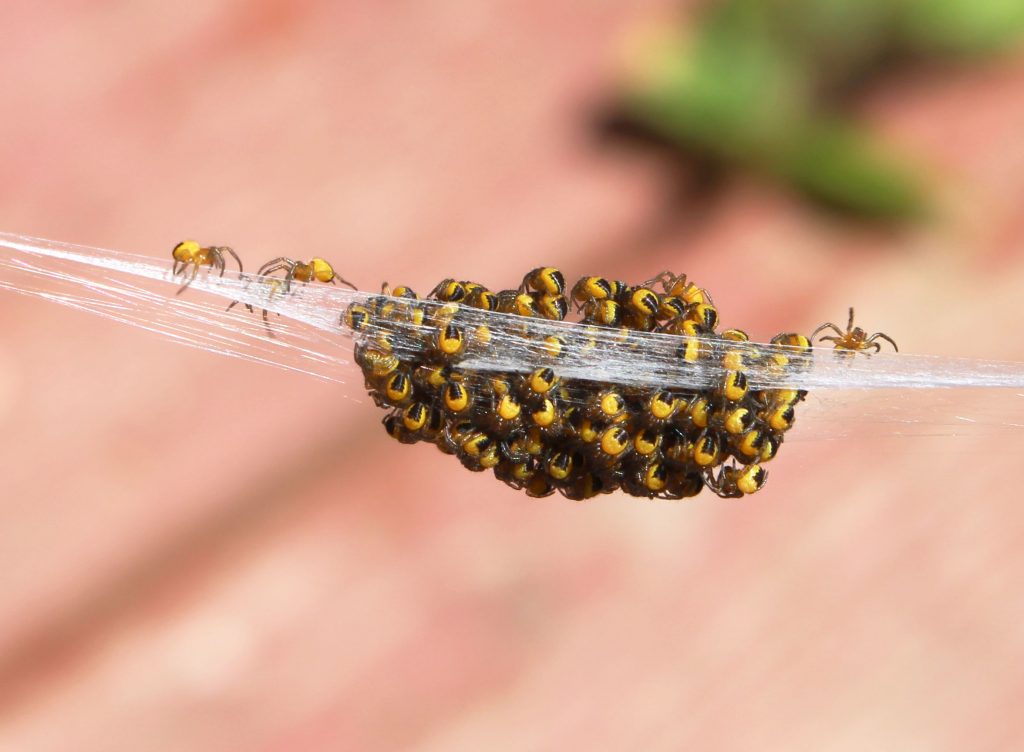
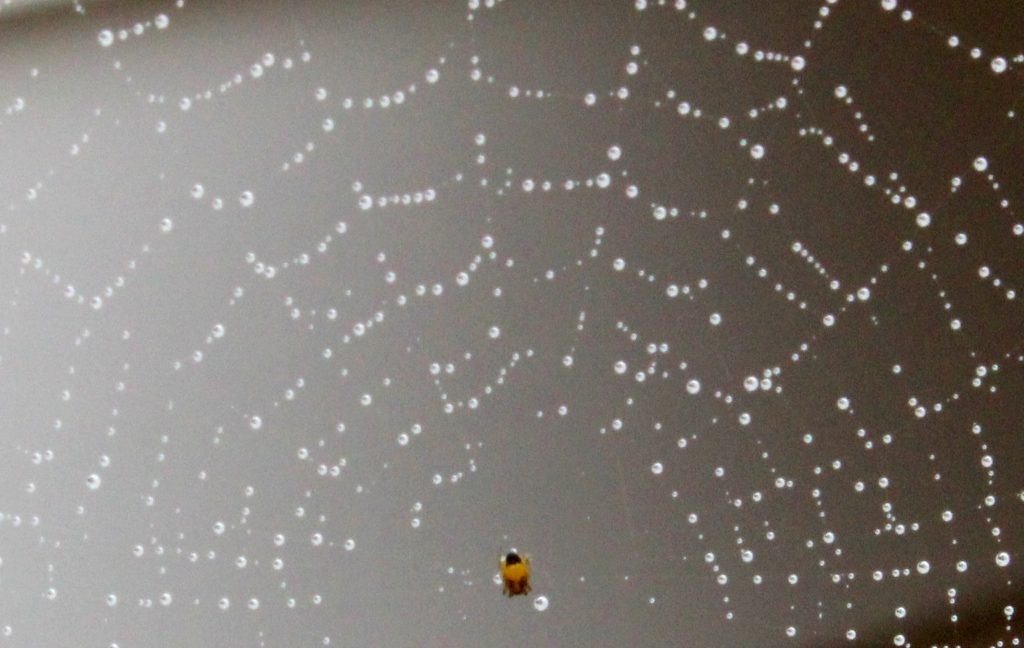
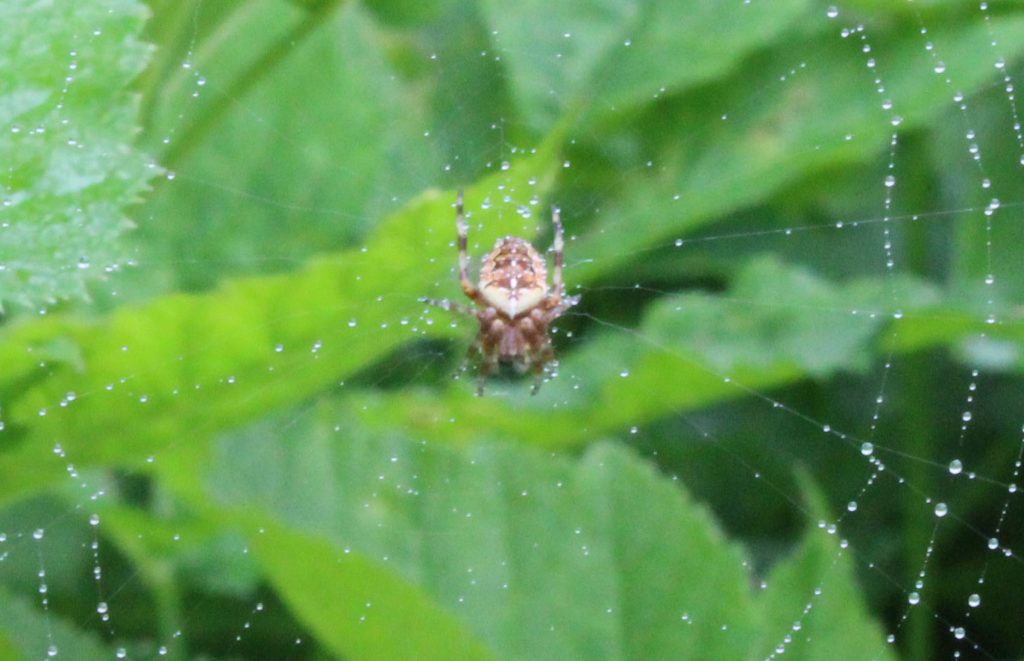
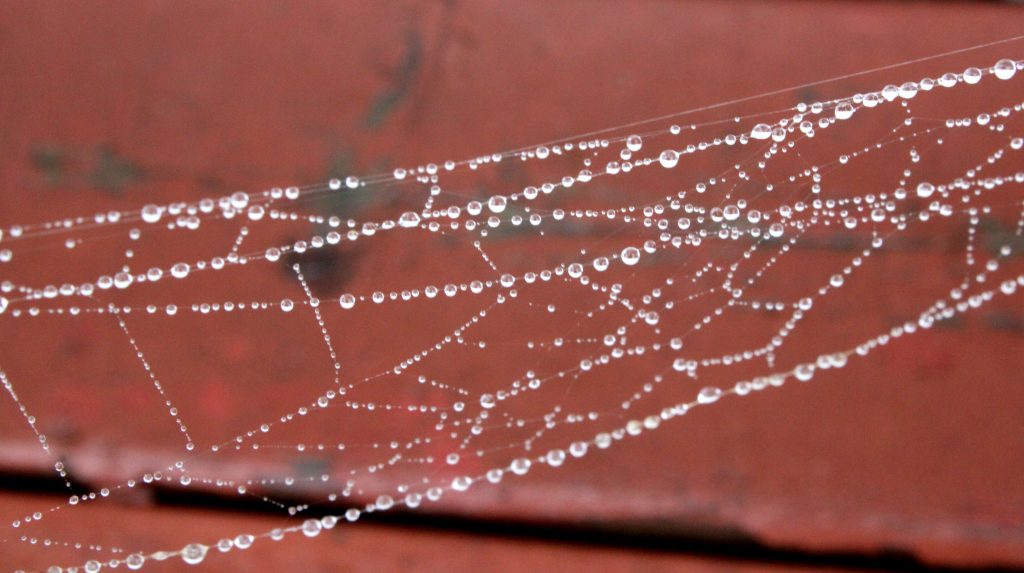
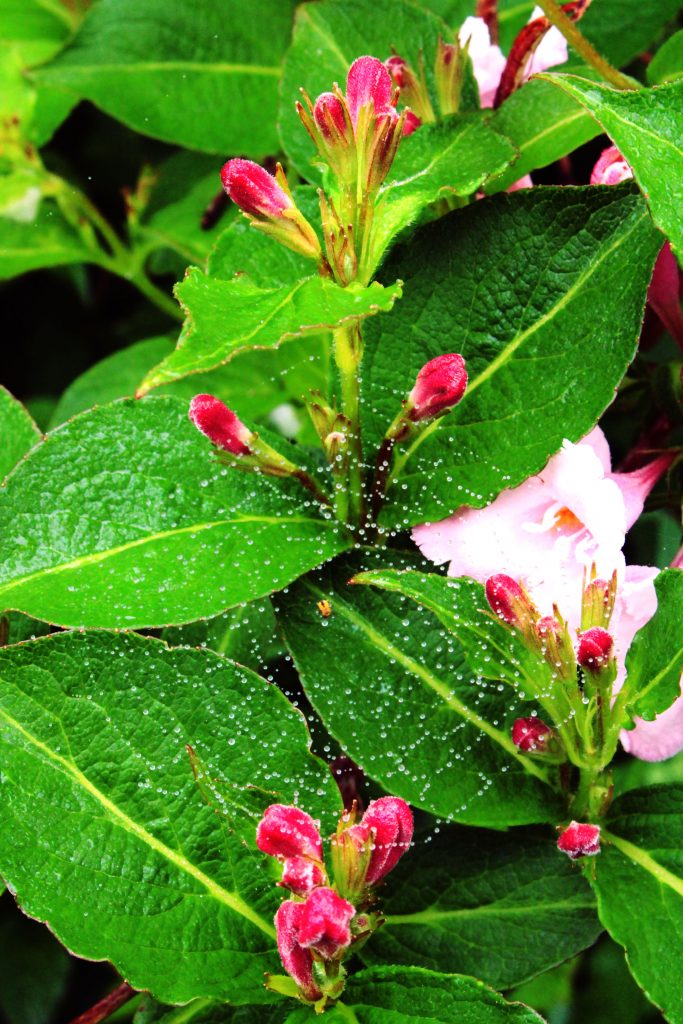
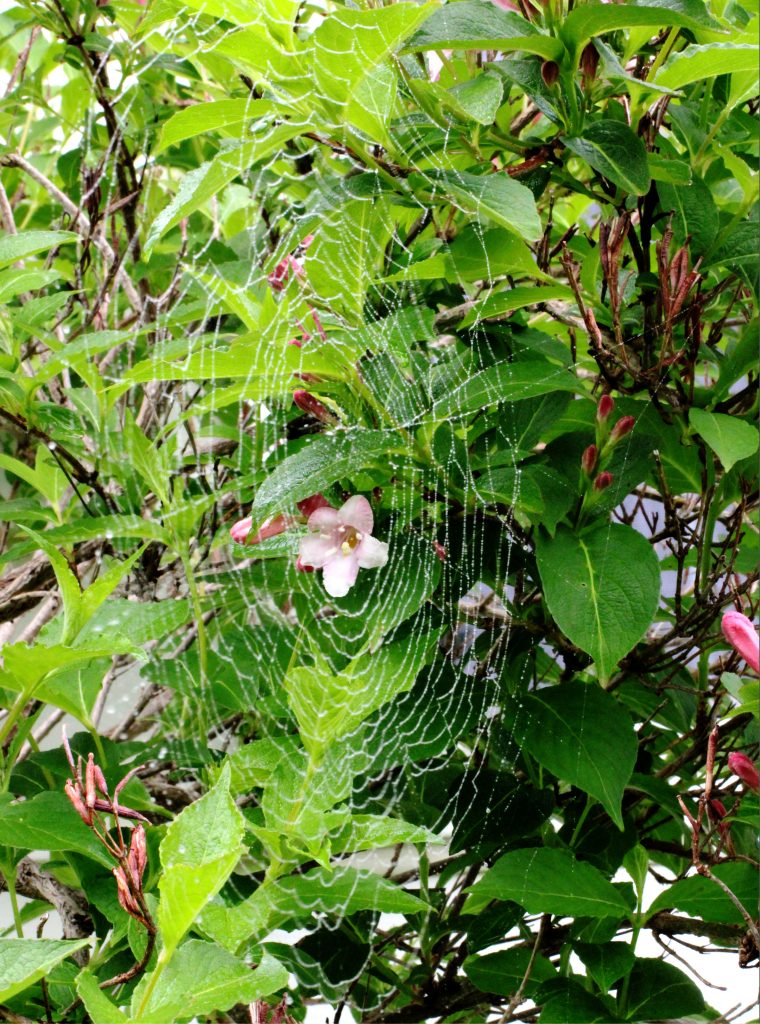
There’s been a bumper crop of baby spiders this year – with spectacular benefits!
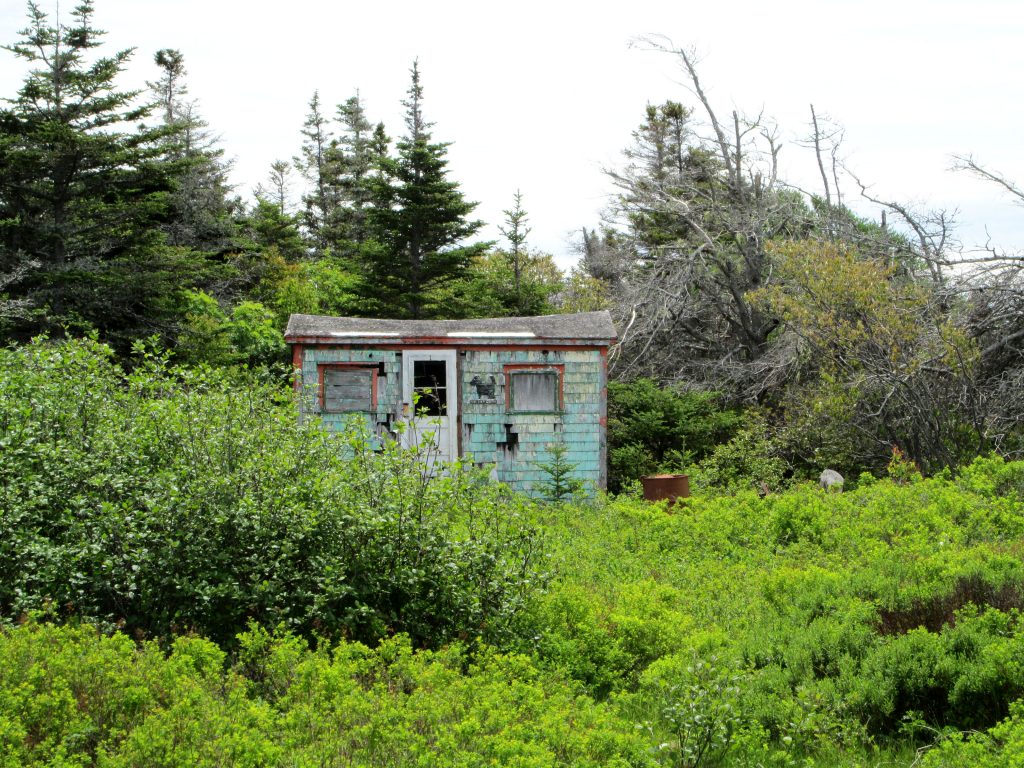
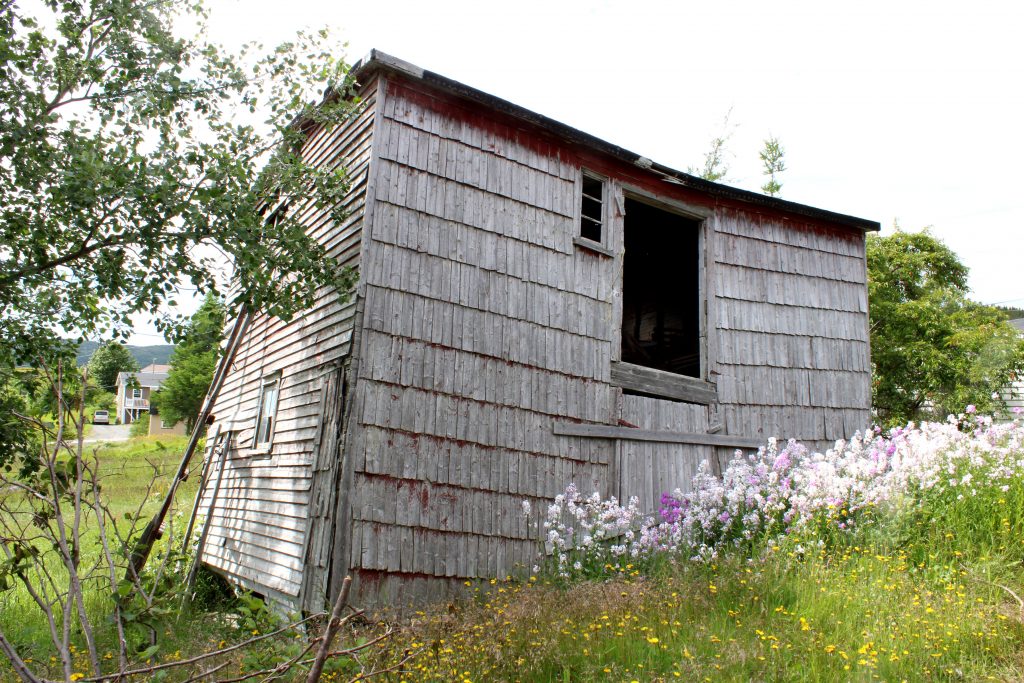
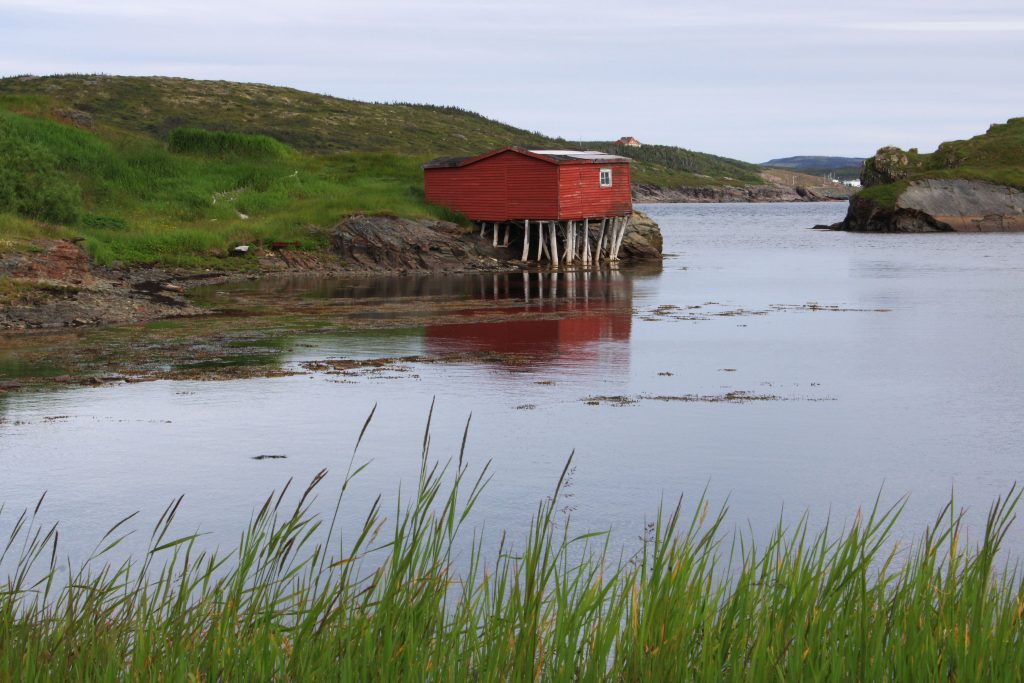
Seeing this old shack, and the many other abandoned-looking buildings like it around the roads and bays of Newfoundland, inspires curiosity and a little bit of nostalgia. Overgrown and dilapidated, it’s just a matter of time before a gale force wind, or heavy snowfall, collapses it into a pile of wreckage. I imagine all the activity and people which once brought this place to life, who may now be lost to time and memory. There is not always a surviving family member to uphold the traditions of place, or to bring them into the future. Eventually, the wooden planks will rot away and revert to ground, and all that will remain is a few footings to indicate where it once stood. This remains to serve as a monument to the past.
Equally, it is a reminder. A call to awaken to the finite aspect of life on the physical plane of existence. It can be hard to face that knowledge which we all sense but hesitate to examine too closely. The unknown is frightening. The guesses, ideas and beliefs that pass as consolation can’t be confirmed, merely taken on faith. This is the great mystery of life that will not reveal itself. Perhaps there is peace to be found by accepting fate. But the great miracle of life is that there is always a choice: accept or refuse to accept. All our decisions, the path we take to get here, the outcomes and consequences, are aligned on that choice.
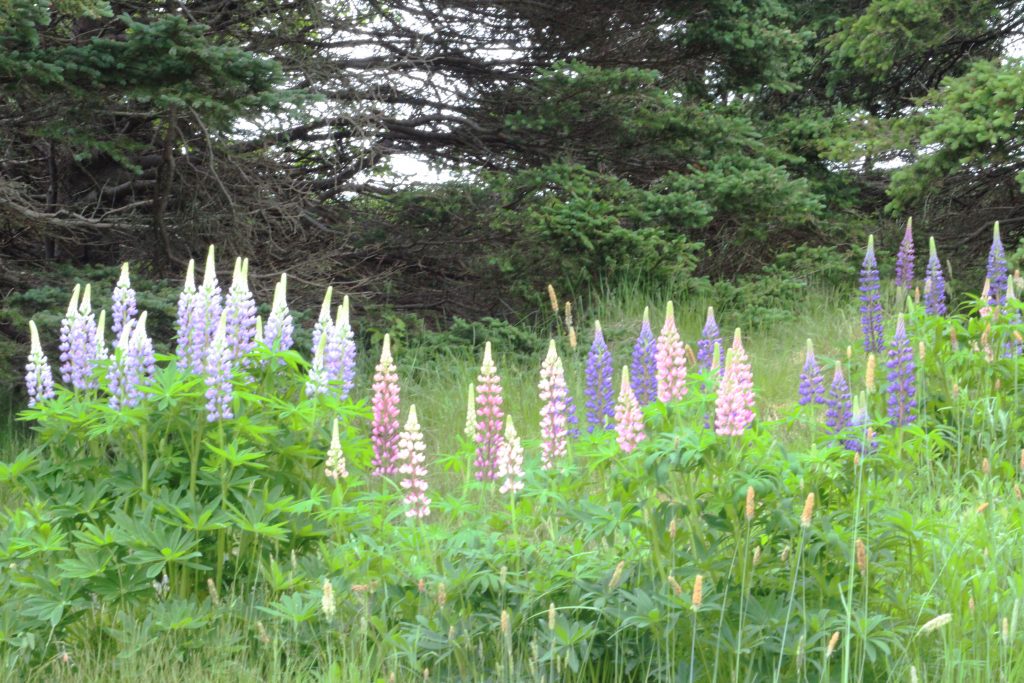
We can flow through life like wind, cling to our place like a boulder, or rise and fall with the seasons like wild lupins until we release our claim on time, the physical fades away and our energetic essence begins its next adventure. Considering this, it could feel like life has no real purpose. We’re born, live until we die, and eventually all trace of us crumbles into oblivion. But life could also be accepted as a gift; a time to appreciate what we learn from others, friend and foe, and to share what lessons we can give of ourselves.
These gifts develop the traditions that travel beyond our time, and last longer than any monument to our physical existence. They work together, the outside and insides selves. To create something meaningful we need to be caretakers of both, while we can.
Fog drapes its arm over the shoulders
of Signal Hill, an old friend bringing home
the one whose frock’s a bit worn
about the edges, who’s lost a century
or two, and how it feels to feel alone.
I could teach it a thing or two;
even the black cat sidling uphill
beside the stairs, won’t cross my path.
Carters may have used this route,
Their horsewhips flailing or brakes smoking,
But I bet they didn’t fear falling.
The hill was only so high, no more
than they could handle, foot-powered and
wooden-wheeled slow-speed progress –
ladders used for tools not goals.
Another set of sideways stairs for stumbling
down, in winter a slide of changing colours,
dodging graffiti and garbage,
and last night’s drunks’ dinners.
The echoes of George’s tawdry revelry
startle well-fed plump pigeons out on
the streets, about their business bobbing heads,
with inconvenient featherless birds
no more than meal-ticket.
Down the harbour, mists have gathered
their tatters together to make a pillow,
sunshine waking up along its edges.
Scattered, the ghosts of Marconi,
of the silent soldiers that sidled
once round the hills. Stilled, the sails that soared
up to meet them, and long since gone.
First light shines, scatters the shadows,
glints on the iron black bars;
decorative but no less purposeful,
if the purpose is to keep us and the water
separate. How could Cabot,
who after all, left home to discover this hill,
have known his name would serve
to remind us of our place?
The buildings behind our backs,
the water waving fare-thee-well,
the fog slipping away like last night’s songs.
LMC